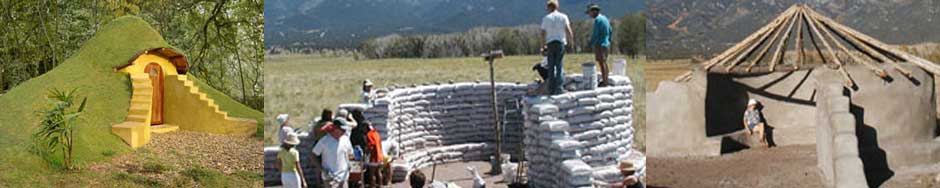
Modern construction uses smart science to create spaces that are better for the planet. New materials are replacing old methods that caused too much waste. These changes help homeowners save money on repairs and monthly costs. Choosing the right supplies makes a big difference in how a house feels and functions over many decades.
 Eco-friendly building materials like hempcrete, a mixture of hemp stalks and lime, can create a solid wall. Hempcrete is used most commonly in insulating walls, floors, and roofs, often as an infill within a timber or steel frame. Homeowners like this material because it breathes and regulates moisture naturally. This material also resists mold and pests without using harsh chemicals. It creates a quiet indoor environment by blocking outside noise from traffic or neighbors.
Designing a home is about more than just the outside shell. The materials used inside affect how people feel every day. Using wood, stone, and wool makes a room feel cozy and grounded. These natural elements help reduce stress and improve focus for people. Wood panels or cork flooring can soften the sound of footsteps and voices. These choices prevent the “echo” effect often found in modern minimalist homes. Selecting surfaces that do not release toxins keeps the air fresh and safe.
More families are looking for ways to cut down on their carbon footprint. New laws are pushing builders to meet higher standards for energy use. This shift means houses are being built more tightly to prevent heat loss. Smart windows and high-tech insulation keep the temperature steady year-round. Builders are focusing on how a house sits on the land to use the sun for heat.
Durability is a key part of being green. If a house lasts 100 years instead of 30, it saves a massive amount of resources. Architects are now thinking about how a building can change over time. Structures are now envisioned and constructed to stand the test of time, focusing on durability, adaptability, and a commitment to maximizing usage. Homes can use stone or brick for outer shells to resist fire and wind; install plumbing systems that are easy to access for repairs; design open floor plans that can be divided into new rooms later; choose metal roofing that can last over 50 years.
Taking old materials and giving them new life is a smart way to build. Steel, glass, and even plastic can be turned into strong building blocks. This practice keeps waste out of landfills and lowers the energy needed to make new products. Reusing materials is becoming a standard part of the supply chain. This loop helps keep prices stable when raw materials are hard to find. It also creates jobs in the recycling and manufacturing sectors.
Bringing nature into the house is a trend called biophilic design. This involves using plants and natural light to create a better living space. It is not just about looks; it is about human health. Living with green walls and greenery boosts air quality and brings a sense of calm to busy spaces. These walls act as natural air filters. They remove dust and pollutants while adding oxygen to the room. Maintaining a connection to nature helps people sleep better and feel more relaxed.
Building for health is just as important as building for the environment. Homes should protect the people living inside them from the stresses of modern life. Implementing biophilic design principles in housing development maximizes natural light to regulate sleep cycles, uses non-toxic paints to prevent headaches and allergies, creates outdoor-indoor spaces like covered patios. incorporates water features to reduce background noise.
Traditional dark roofs soak up the sun and make the whole house hot. New eco-friendly options are changing this. Green roofs can lower indoor air temperatures by up to 27 degrees Fahrenheit and reduce the cooling load by 70 %. Plants on the roof act as an extra layer of insulation. They also soak up rainwater, which prevents flooding in the streets.
Modern housing is moving toward a future where buildings work with nature instead of against it. From hemp walls to living roofs, these materials make homes more comfortable and cheaper to run. Investing in these technologies protects the planet and provides a better quality of life for families. As more people choose sustainable options, these materials will become the new normal.
You can read the original article at www.intelligentliving.co