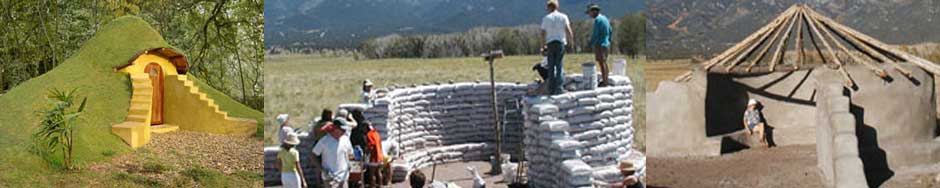
“Now more than ever before people all over the planet are seeking new sustainable models for living. EcoVillages and ecological communities have been emerging as a viable alternative where people can live together in cooperation and harmony with the natural world. ‘A New We’ explores 10 such communities in Europe and opens doors to further exploration and discovery on the new ‘Global EcoVillage & Sustainable Community Network’! Please join the conversation and participate in the ‘A New We’ initiative which aims towards evolving the EcoVillage model into the 21st century! “
Owen Geiger
Area in Wisconsin with Few or No Codes
The following comment left by a reader got me thinking about publishing a few blog posts about areas in the US with few or no building codes that allow do-it-yourself alternative building with earthbags, straw bales and local wood, and homesteading. As we’ve said many times here, building in areas with codes can skyrocket the construction costs ten-fold, which essentially wipes out the savings of using alternative materials. That probably explains why our blog page Counties with Few or No Building Codes has always been our most popular page.
Free Natural Building Internship
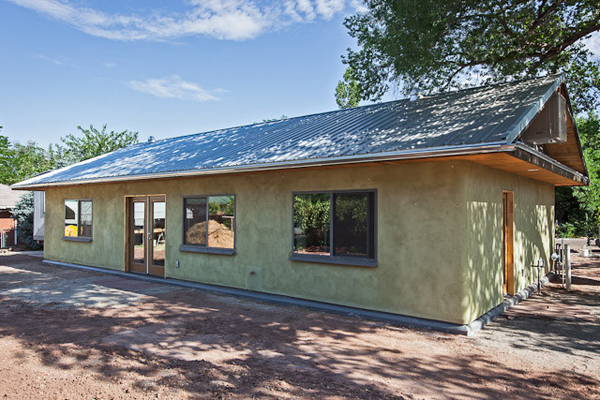
People often ask us about natural building employment, training and career advice. The following advert is an example of how students can gain natural building skills on the cheap.
Korean Natural Farming with IMO – Indigenous Microorganisms
Adding IMO (indigenous microorganisms) to gardens is one of the most important steps to gardening success. Drake, the speaker in the video, talks about how his neighbor who’s been an organic gardener for 40 years and has good soil suddenly doubled the size of his vegetable starts by adding IMO. His recommendation is to propagate trillions and trillions of the ‘good guys’ (desirable organisms from your area) and spread them throughout your garden and fields so they can fend off pests and boost plant growth.
SuperAdobe Home in Costa Rica
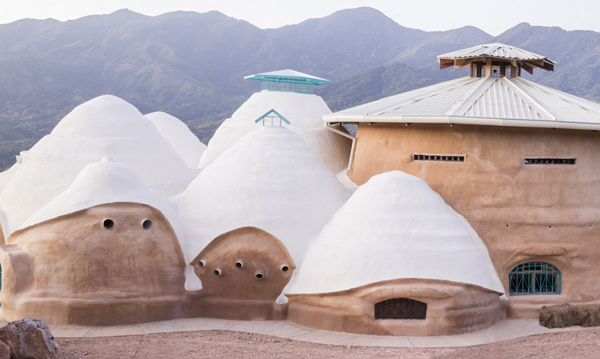
“Ayal Bryant from Barro Vivo CR told Inhabitat because they live in a relatively hot and dry climate, where they receive about 3 months of rain and the rest of the year is pretty much dry, they wanted to build a house that would remain cool during the day without air-conditioning or fans. “So we decided to go for super adobe mainly because of its thermal properties but also because one of how it feels almost primal to live within,” she said.
Man single-handedly plants forest in N China desert
“A man has planted over 200 hectares of trees in a north China desert over the past 30 years to halt encroaching sand from a nearby desert.”