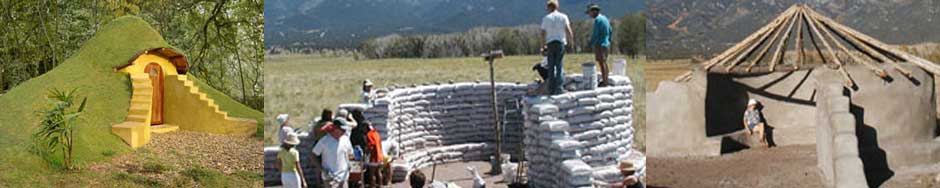
More horror stories of bad experiences with building code officials.
Owen Geiger
Our Tropical Forest Garden Progress
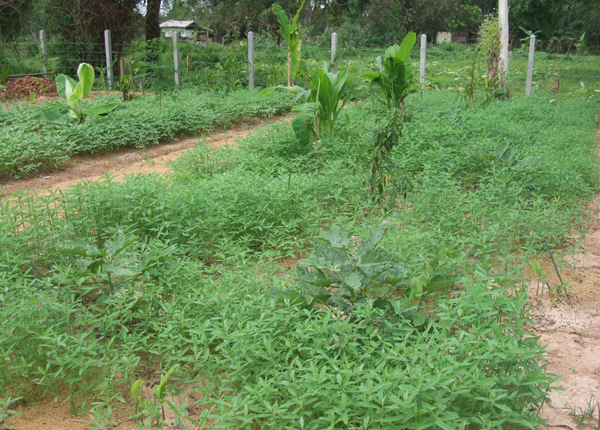
I want to first thank all those who have pioneered the way for growing forest gardens. Special thanks to Geoff Lawton, Robert Hart, David Holmgren, Bill Mollison and Sepp Holtzer. Their permaculture books and videos have been immensely beneficial even though our food forest is unique, as partially explained below. I also want to emphasize the importance of permaculture and encourage readers to learn as much as possible in order to develop more sustainable practices.
Breaking Down the Barriers: Challenges and Solutions to Code Approval of Green Building
Building code issues are one of the most sought after topics on our blog. David Eisenberg and others at DCAT offer their suggestions on how to maneuver through the code approval process.
Foamed Lightweight Concrete
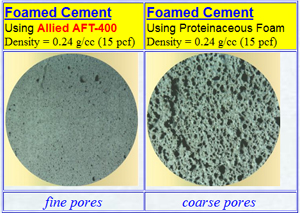
Natural builders strive to reduce their use of cement due to high cost and adverse environmental impacts. Sustainability conscious natural builders might use ferrocement, cement plaster or micro concrete roofing tiles which use relatively small amounts of cement, and avoid more concrete intensive materials such as concrete block. Foamed lightweight concrete is another material that could be added to the list of green building materials.
Backyard Bioshelter
Take a tour of this low cost year-round passive solar bioshelter in Massachusetts that has raised beds, aquaculture, hydroponics and worm bed.
Roman seawater concrete holds the secret to cutting carbon emissions
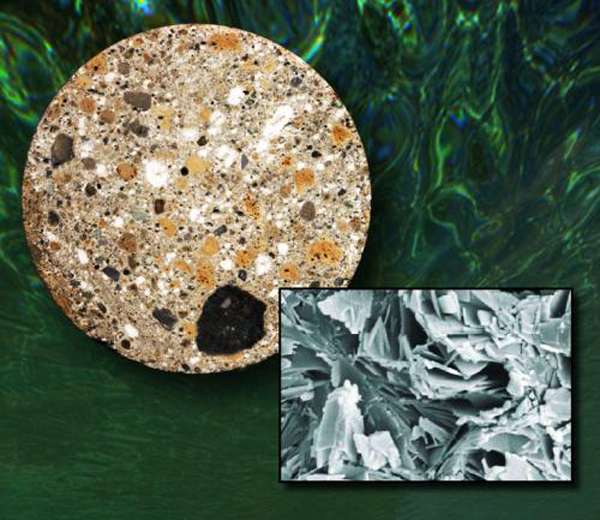
This discovery shows how to make stronger, longer lasting concrete with far less energy. A green type of concrete like this could replace Portland concrete, which is viewed negatively by many due to its adverse environmental impact.