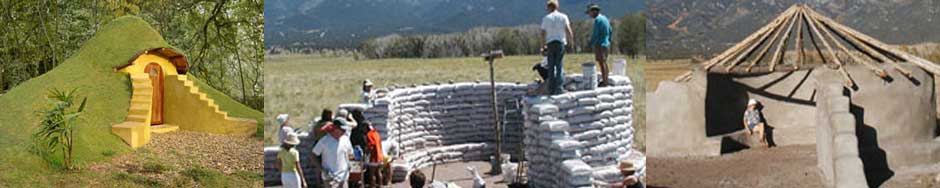
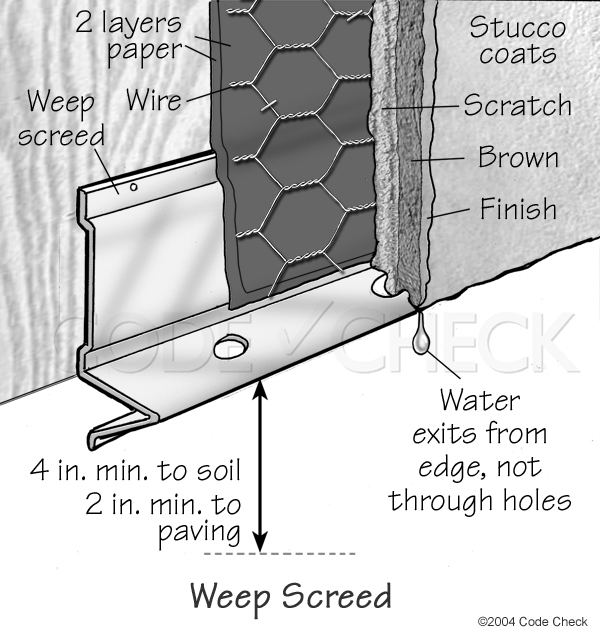
Domes evolved in deserts, so we recommend extra protection for snowy/wet climates. There are two main approaches: 1. Build a roofed dome. Search our Projects pages at Earthbag Building.com to see several examples. 2. Build a ferrocement rainscreen on the exterior of the dome. The rainscreen is basically an outer cement shell that’s built on top of the dome with about 1″ space between that allows any water that gets through to escape.
Domes
How to Build Large Earthbag Domes
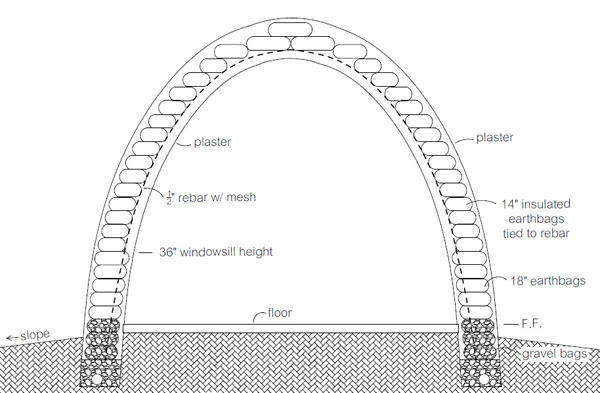
Question: “I was wondering if there is a limit to the size of diameter an earthbag dome can have. I am wanting to have a dome with more than 800 sq ft. I would like it to be a dome because I do not want the hassle of constructing a roof, and I’m a simple person so I am only wanting to construct one dome instead of multiple ones. Any information about this would be helpful, thank you!” Tyler
FreeDome Earth
FreeDome Earth from jacksonbarlow on Vimeo.
“FreeDome Earth is a tribe of earthbuilders and sacred activists.
Help Wanted on Kauai, Hawaii Music Studio Dome
“I am currently drawing up plans for a 15′ dome built on an 18″ high double buttressed stemwall using: Raschel Mesh Bags filled with native Oxisol soil, lime and Coconut Husk fibers woven between double strand barbwire atop a cement foundation. I have done numerous soil tests and I am very very pleased with the … Read more
Ancient Turkish Domes
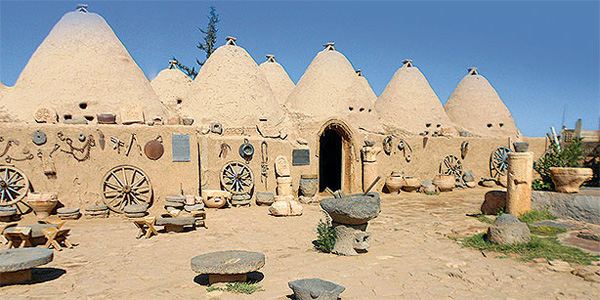
“Harran is famous for its traditional ‘beehive’ adobe houses, constructed entirely without wood. The design of these makes them cool inside (essential in this part of the world) and is thought to have been unchanged for at least 3,000 years. Some were still in use as dwellings until the 1980s. However, those remaining today are strictly tourist exhibits, while most of Harran’s population lives in a newly built small village about 2 kilometres away from the main site.”
Don’t Build Domes in Wet Climates Without Roofs
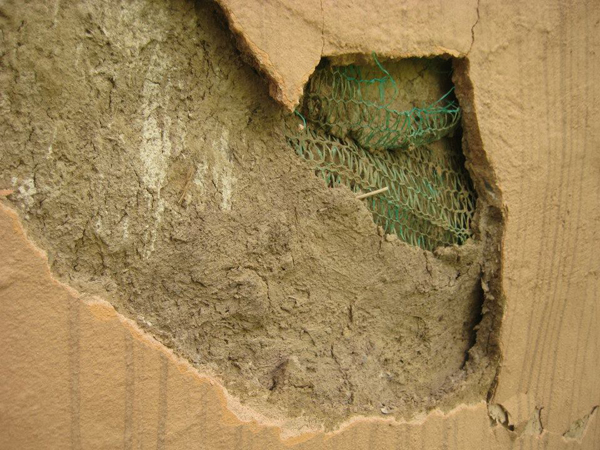
“This is the dome of a friend in Colombia, is located at 1,600 meters above sea level on a rainy climate, in a land with many gravel. The superadobe is stabilized with hydraulic lime, has a double wall to 3.30 and wire. Foundation is 60 centimeters deep and filled with cement and stone above it a concrete plate 6 cm. The iladas of superadobe may have moisturized longer than necessary due to rain during the construction process despite being covered with plastic dome.