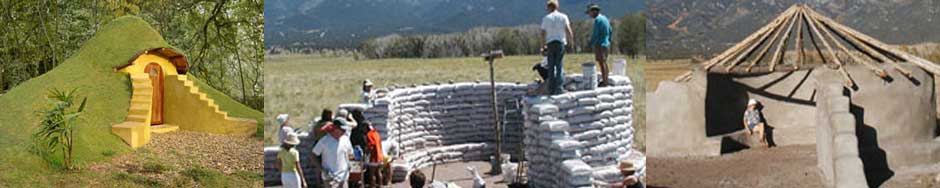
“Tiny House at the Home Depot in Blue Ridge, Ga.” Note: the main idea here is not to build with wood studs and OSB. Better to use more sustainable materials. The main point is tiny house living (and by extension alternative living in general) has become so popular that even big box stores are joining the movement. In addition, there’s a rapidly growing number of companies that build tiny houses.
General
Living a Free and Artistic Life in a Magical Gypsy Vardo Style Caravan
“Take a moment to step inside the magical world of Frenchy. A wonderful, artistic young woman who built and lives in her own Gypsy Caravan.” You can read more about this home here: http://www.livingbiginatinyhouse.com/magical-gypsy-caravan/
(lots of details and good photos)
3 Reasons Why We Can Win the Fight Against Poverty
“Half of the world’s poorest people have something in common: they’re small farmers. In this eye-opening talk, activist Andrew Youn shows how his group, One Acre Fund, is helping these farmers lift themselves out of poverty by delivering to them life-sustaining farm services that are already in use all over the world. Enter this talk believing we’ll never be able to solve hunger and extreme poverty, and leave it with a new understanding of the scale of the world’s biggest problems.”
Habitech Earth Block Building
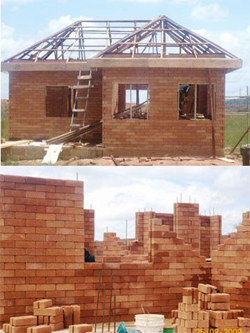
“Habitech Center is a research and development center for building components and building technology at the School of Engineering and Technology (SET) of Asian Institute of Technology, Pathumthani (AIT), Thailand.
Rebuilding Nepal, One Earthbag at a Time
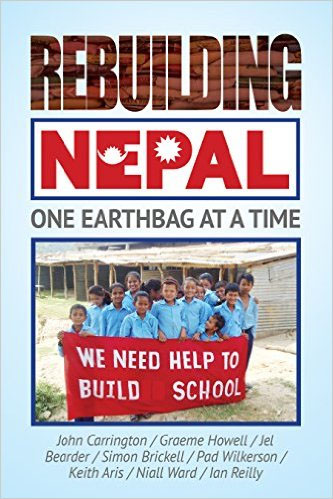 Rebuilding Nepal, One Earthbag at a Time is a short Kindle book assembled by a team of eight volunteers who went to Palchok in the Trishuli Valley to rebuild a school in the fall of 2015. Because of the remote location they needed to plan for every aspect of the project, and this book is primarily advice for others who might try to do something similar. Besides actually building the school, they wanted to introduce the earthbag technique to the villagers so they could continue rebuilding this way. The team had raised enough funds from friends and family to accomplish this goal. They were there for only two weeks, but they got that small school built! Graeme Howell was the mastermind behind this endeavor.
The first chapter introduces what they consider to be the essential building process and suggests how to make this happen efficiently. Because of the number of volunteers, including folks from the village, they wanted to keep everybody busy and make sure there weren’t bottlenecks in the process. For this reason they had people filling and sewing bags right away, even before the foundation trench was prepared. Likewise, they had people screening soil for the eventual plaster.
Cowboy Builders in Nepal
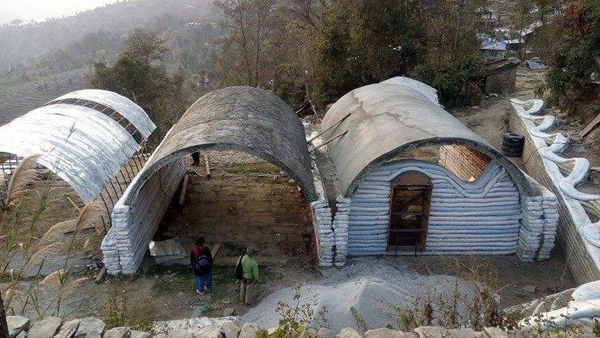
The importance of using trained engineers, architects and supervisors can’t be emphasized enough. Due to a lack of trained builders, a few dangerous earthbag projects have been built in Nepal by what I call ‘cowboy builders’ – those with little or no training or building experience. We heard of a school in Mazel in Ghorka that was described as “the worst earthbag building in Nepal”. It has bamboo pins eaten by insects instead of steel rebar, two large 8’x8’ windows set 3’ apart, and dry soil fill consisting of 100% silt which has no binding strength. Proper earthbags are made with moist subsoil containing clay and aggregates, and then tamped solid to create ‘rammed earth in bags’.