Roundwood Open Web Joists

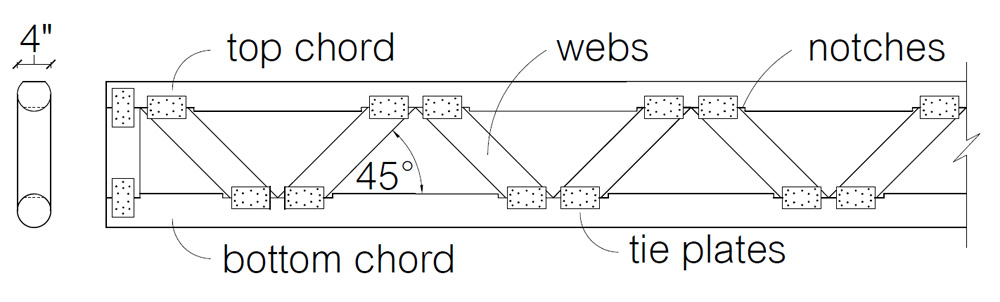
Parallel chord open web joists made with small diameter roundwood (click to enlarge)

Inspired by projects such as William Castle’s house, featured on our blog yesterday, I set out to design an open web joist using small diameter poles for non-code areas. It’s not as shiny and elegant as manufactured brands, but hey, who can argue with the cost? These trusses would cost just a few dollars apiece if you have a good source of poles. In parts of the U.S., and probably other countries, the poles you would need are practically free. Small trees like this are thinned out to reduce fires and help larger trees reach marketable size. You could use scrap metal for tie plates and cut the cost in half. Barter for a can of screws and you’re talking really dirt cheap.
Read more

Build a Home for $10,000 in 10 Days!

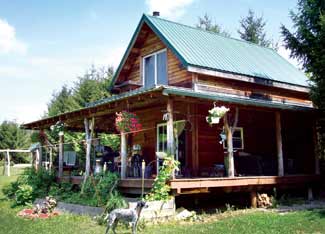
The shell of this modified timber-frame house was built in 10 days.

These are the type of stories I enjoy most, and what makes Mother Earth News such an incredible resource. In this example, a natural builder has devised a faster, easier timber framing method that looks incredibly practical. The article provides enough details to put the information to use (although more and larger size pics would have been nice).

“The modified timber-framing method William Castle has developed lets him quickly and easily turn this low-cost, local resource into beautiful houses, such as his daughter’s cabin (see the Image Gallery). The shell of the 1,000-square-foot house was built over an existing foundation by a crew of three to four adults and two children in less than 10 days — for less than $10,000!

Read more

Weaving Barbed Wire Corners

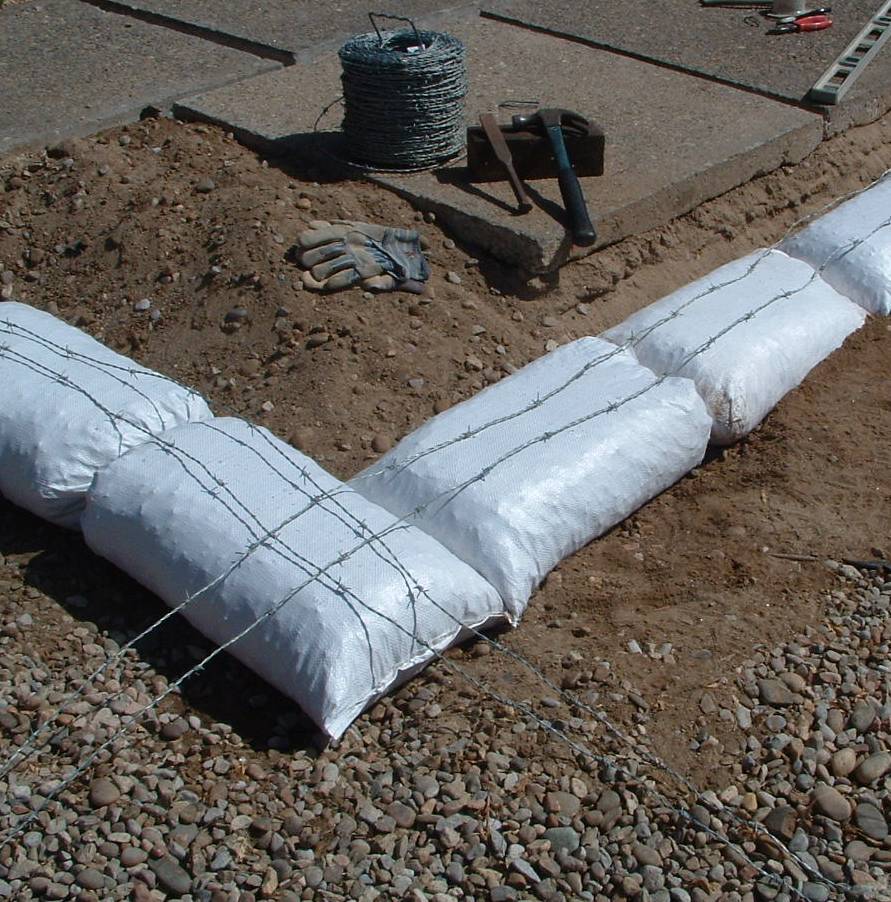
Weaving barbed wire corners, step 1. (click to enlarge)

Guest post by Patti Stouter about another low tech way to reinforce corners in earthquake zones. More methods are explained at EarthbagStructures.com:
“Corners are one of the most vulnerable parts of buildings in earthquakes. Straight wall earthbag construction has not yet been tested on a shake table or in a severe quake. It may absorb vibrations, but we don’t know for sure yet. Builders need to exercise all caution and build well to save lives.

Read more

Exterior Log Siding

You can a short video about  this at www.youtube.com I’ve talked about wood siding on earthbag houses before. In that previous blog post, I talked about using slab wood and other low cost offcuts from sawmills, and cutting your own wood. Another option is buying factory made siding. There are lots of styles and options … Read more

Parallel Pole Roof

Here’s another good way to build an inexpensive roof if you have access to wood poles from a forest. Like many of the ideas here on this blog, this design is for areas with few or no building codes. One way to get the wood is with a firewood permit from the forestry department/forest service. … Read more

Additional Passive Cooling Strategies for Hot Climates

Windcatchers have been employed for thousands of years to cool buildings in hot climates. The windcatcher is able to chill indoor spaces in the middle of the day in a desert to frigid temperatures.

The following list includes dozens of low tech, low cost ways to cool buildings in hot climates passively without electricity or machinery, i.e., passive cooling or natural cooling. This list is in addition to the 11 or so simple passive cooling techniques that I talked about in my video the other day. Altogether there are over 50 practical methods for cooling your home sustainably.

Read more