For centuries, Filipinos have built and lived in houses made of bamboo, then with the introduction of steel and lumber, bamboo was regarded as a “poor man’s” building material. Now, by combining ancestral building wisdom with cutting-edge technologies, engineered bamboo is emerging as structurally superior alternatives to steel, lumber, and concrete. Bamboo is widely available and thrives all over the country, making the material logistically more accessible and cost-efficient.
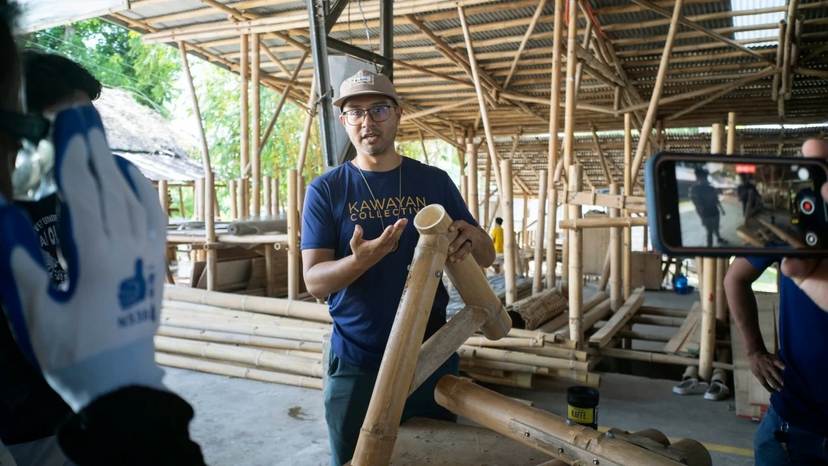 Born in the U.S., Filipino-American Ray Villanueva earned his Bachelor of Science in Architecture from the University of Maryland. Ray has helped create a student-led community design and build program in the Philippines. This started his journey into designing and building structures made of bamboo, showing the material’s properties and potential not only as a substitute but also as a primary material for construction. Ray says, “It can carry a lot but can weigh a lot less than steel or concrete.”
 When used in modern construction, bamboo does have the ability to be more pliant and move under pressure compared to a concrete house. Its permeability addresses the accumulation of high temperatures in structures. “A bamboo house is cooler for sure than a concrete house. From our measurements, it is about five degrees cooler,” adds Ray.
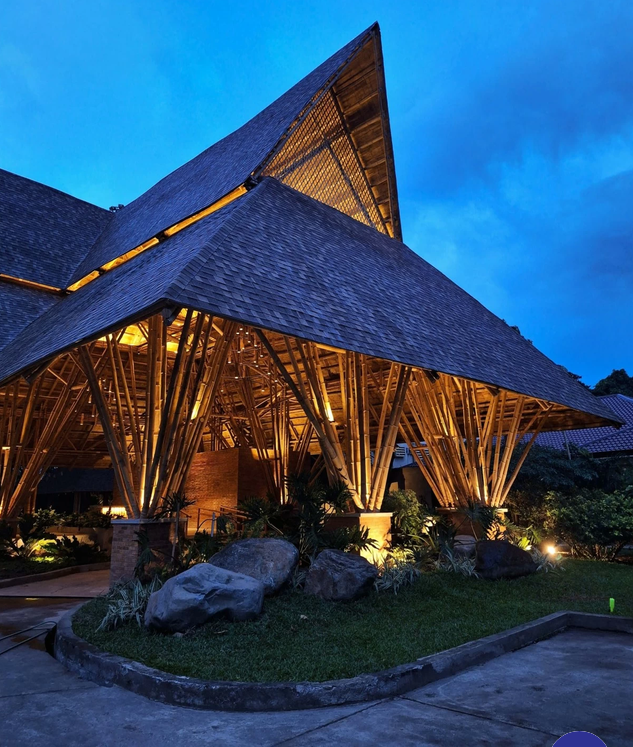
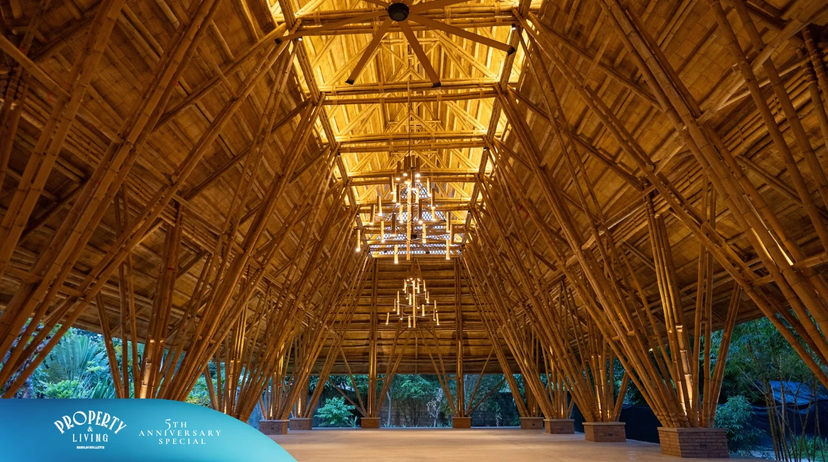 Located within The Henry Resort in Dumaguete, the Bamboo Pavilion is a testament to the complexity and versatility of bamboo in modern architecture.
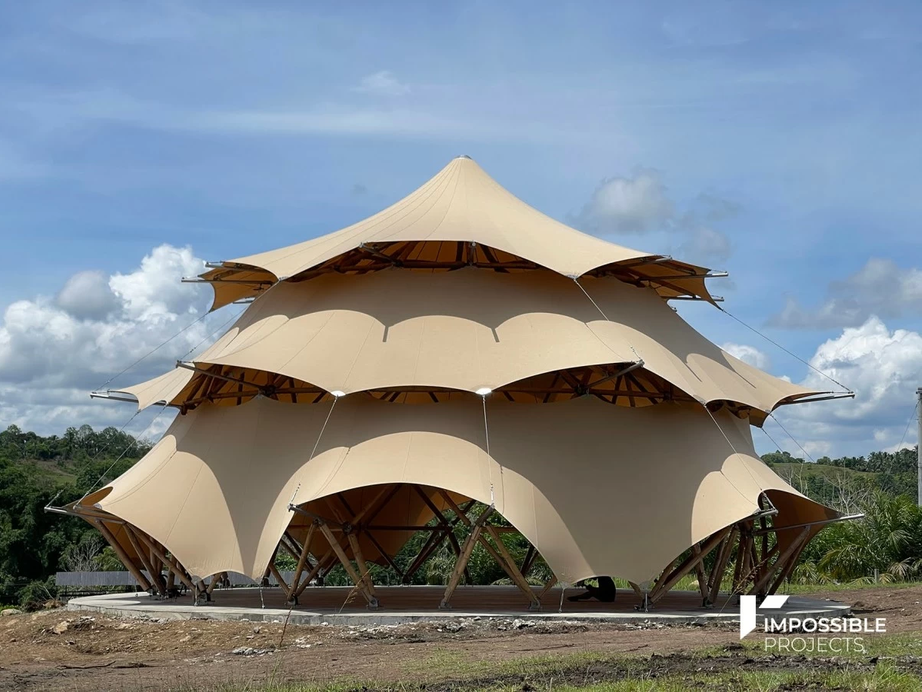 Another bamboo landmark is the Banwag Pharos 2024. Designed and built by Studio Impossible Projects, the dome-shaped pavilion displays Islamic geometric patterns and robust construction that can withstand wind speeds of up to 270 kms per hour.
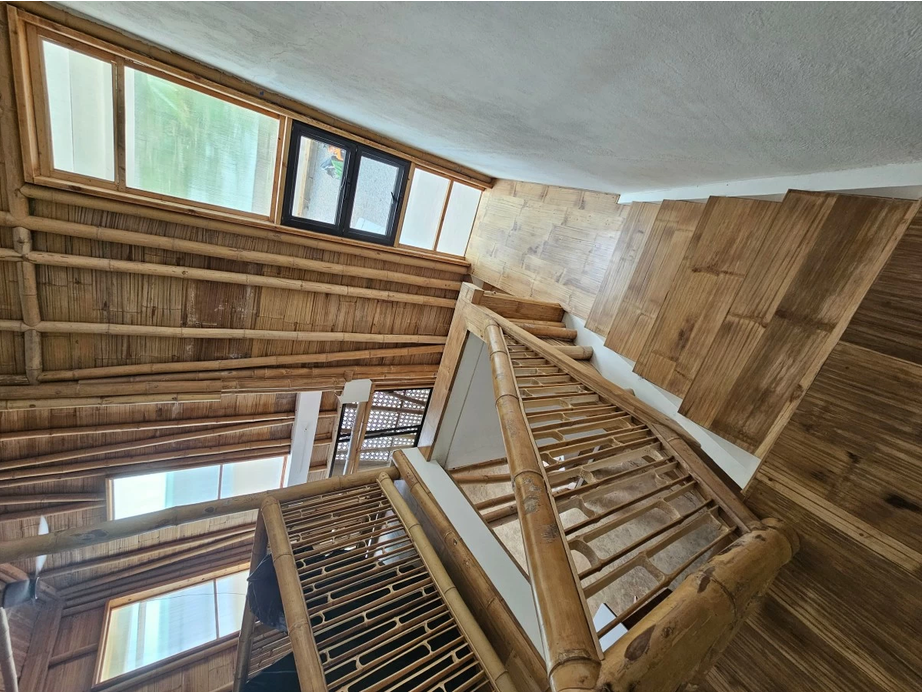 Kawayan Casitas is a 2,000-sqm eco-village was built using Cement Bamboo Frame Technology (CBFT), the cool, durable, low-maintenance, and sustainable house. Kawayan Collective is aon a mission to actively promote CBFT-built houses to highlight bamboo’s industrial potential and structural reliability. “Together, we are making it easier for architects, engineers, and developers to choose bamboo as a sustainable, high-performance building solution,” says Ray.
You can read the original article at mb.com.ph
The modern use of bamboo in the Philippines is really interesting. It’s lightweight, fast-growing, and fits naturally with the local climate and traditional building practices. I especially like seeing traditional materials being adapted to modern design rather than simply replaced by newer ones.