Traditional Rammed Earth Homes in Vietnam
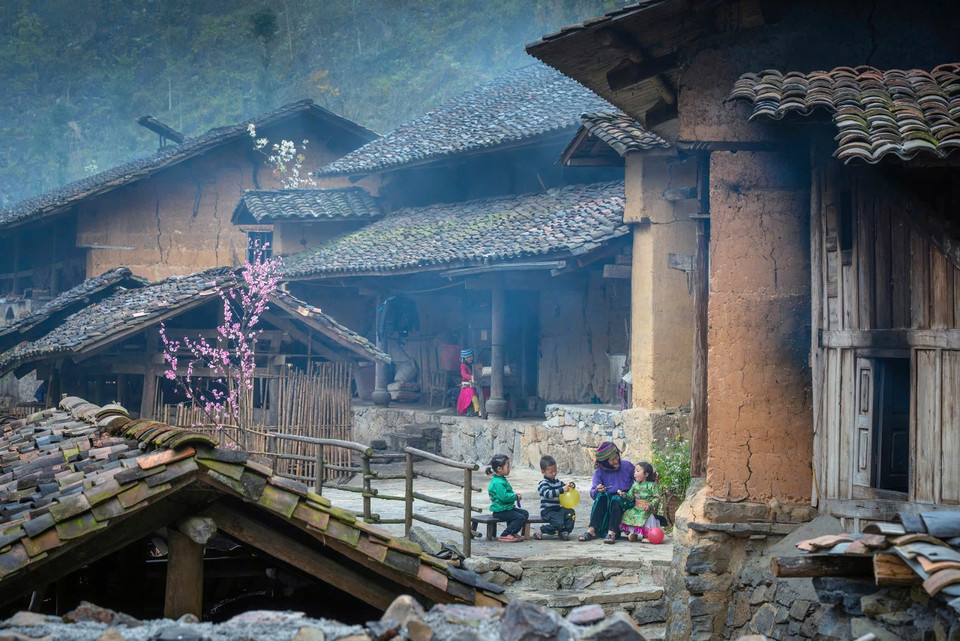
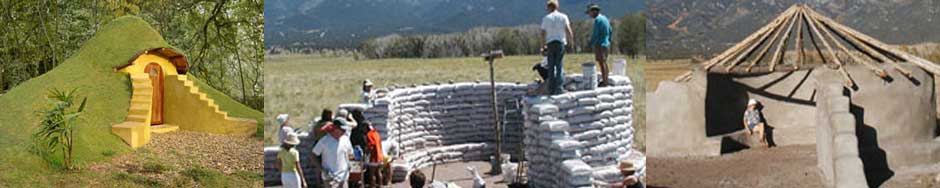
Rammed-earth houses are a distinctive cultural feature of the Hmong people living in the Dong Van Karst Plateau, the northern mountainous province of Ha Giang, Vietnam. Traditionally, these homes are considered a measure of a family’s wealth and heritage, reflecting how long a Hmong lineage has settled in the region. You can read the original … Read more
Mike Oehler Talks About His Underground Homes

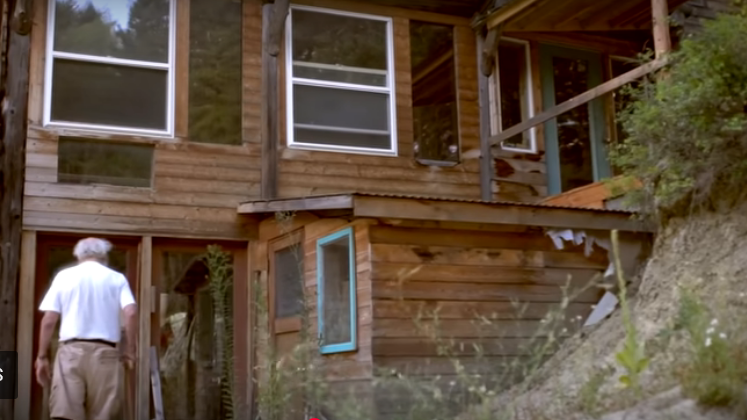
Mike Oehler lived for over 30 years in an underground home that he built for $50 (and expanded for $500) on his land in Northern Idaho near the Canadian border. Now in his seventies his arthritis keeps him from hiking up to his home, but he continues to “write and proselytize” In 1968 like thousands … Read more

Oceanspray Townhomes in Ashland, Oregon

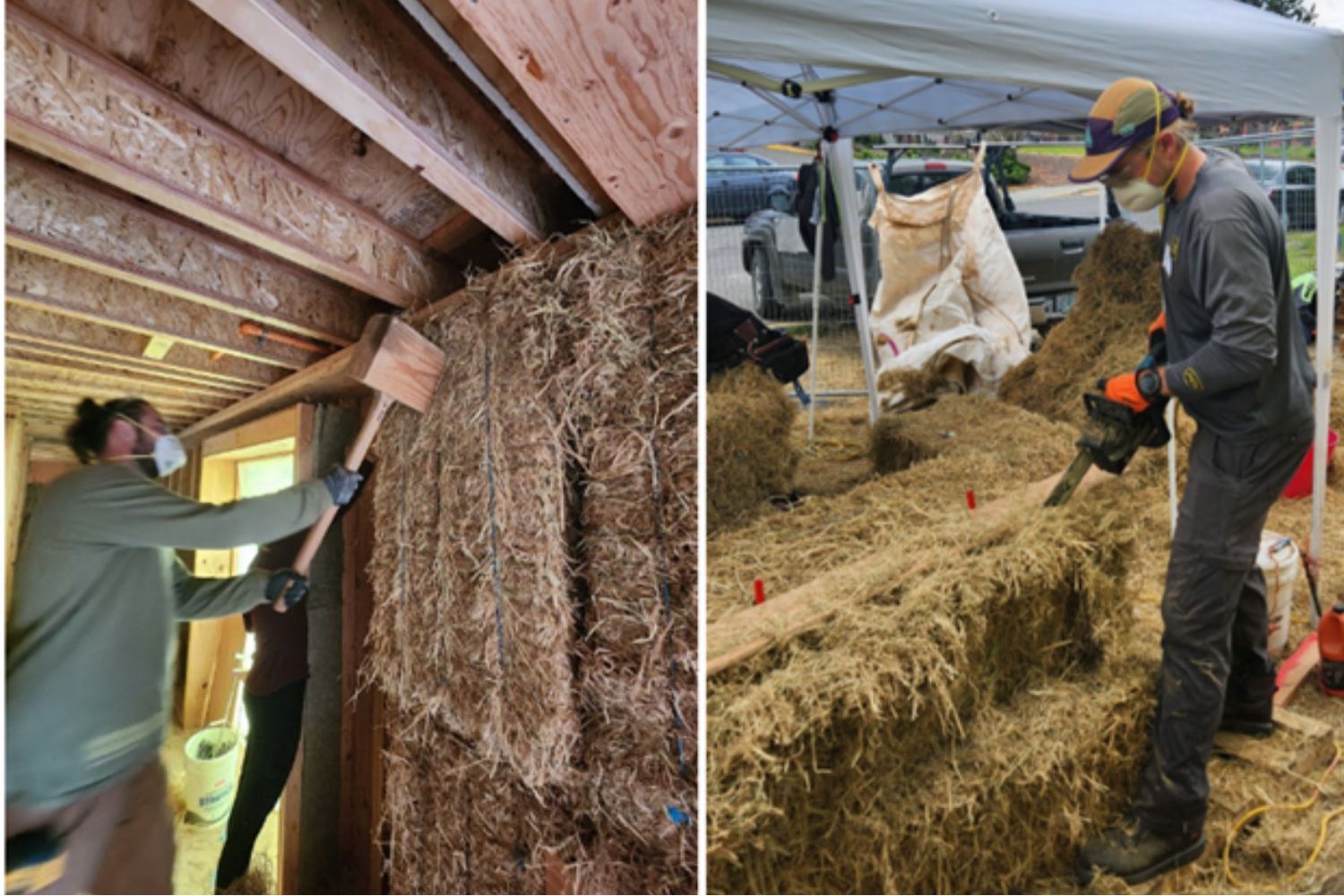
The Oceanspray Townhomes project in Ashland, Oregon was organized by the California Straw Bale Association (CASBA). This project is the first multi-story, multi-family straw bale construction in the United States. Designed by Arkin Tilt Architects and Verdant Structural Engineers, Oceanspray Townhomes aims to be a model for using low-carbon and carbon-storing materials, passive solar design, … Read more

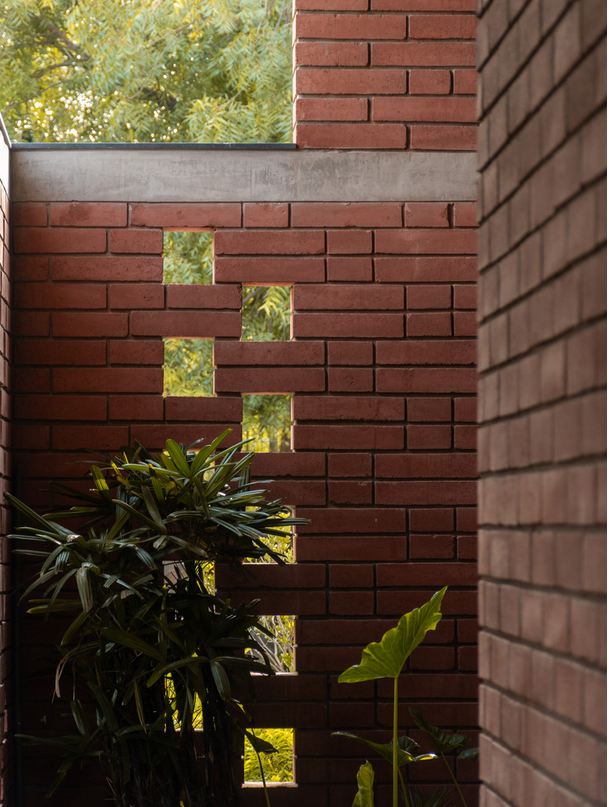
Keeping Cool in the Jalmanjar Farmhouse in India

The Jalmanjar Farmhouse in India aims to optimize climatic efficiency through passive and active strategies suited to the region’s hot and dry conditions. The key design elements, including the orientation, spatial configuration, material selection and windcatchers, work in coordination to enhance thermal comfort while minimizing energy consumption. The farmhouse features a perforated gable-end wall made … Read more

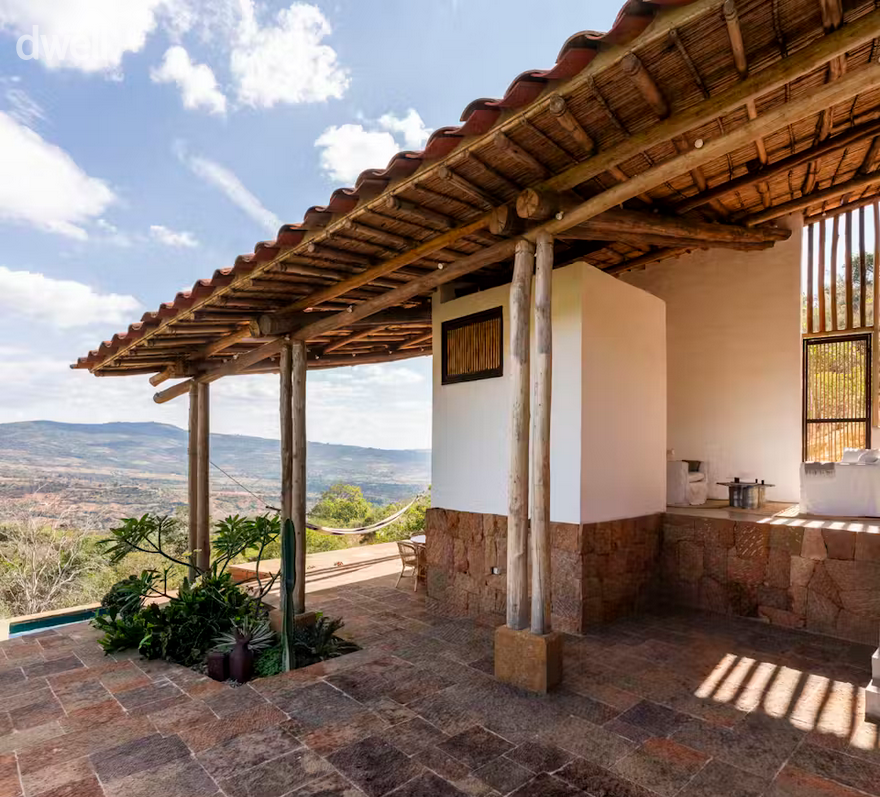
“The Leaf on the Hill” in Columbia

Colombo-Colonial architecture in Columbia is a style characterized by rammed earth walls, stone masonry, and tile roofs. Architect Alejandro Saldarriaga recently designed a country home where “The closest airport is a three-hour drive,” he says. The 2,600-square-foot home reinterprets the Colombo-Colonial vernacular, but he was challenged to work with a sloping site with extreme topography. … Read more

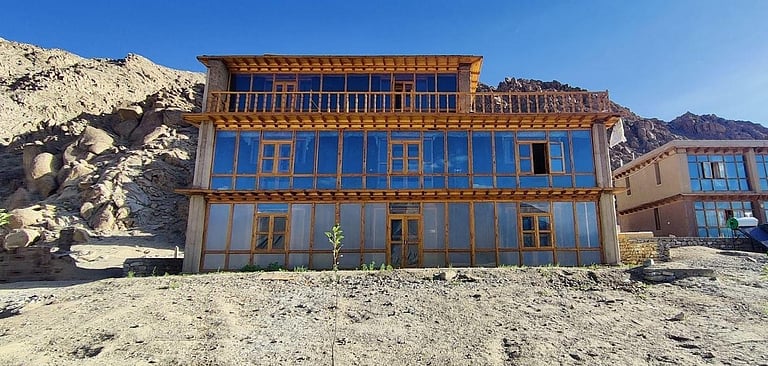
Passive Solar Heating in Ladakh

The cold desert region of Ladakh, India is characterized by harsh winters, minimal rainfall, and sparse vegetation. The residents have been forced to adapt to the environment, optimizing the limited available resources for sustenance. At an altitude of 3,500 meters (11,500 ft.) and over 300 sunny days per year, it is well positioned for passive … Read more