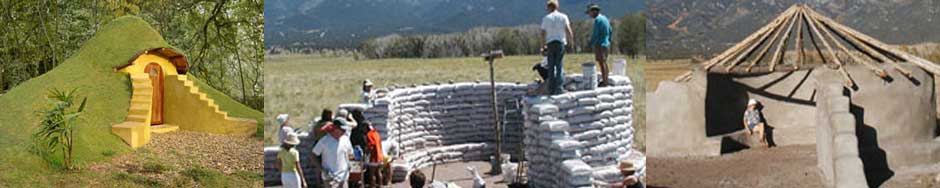
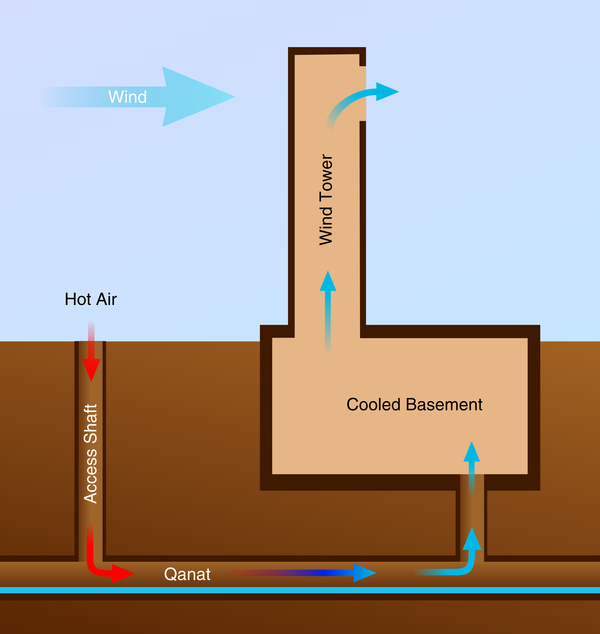
“A windcatcher is a traditional Persian architectural element to create natural ventilation in buildings. Windcatchers come in various designs: uni-directional, bi-directional, and multi-directional. Windcatchers remain present in many countries and can be found in traditional Persian-influenced architecture throughout the Middle East, including in the small Arab states of the Persian Gulf, Pakistan and Afghanistan.
Climate
Climate Responsive Design
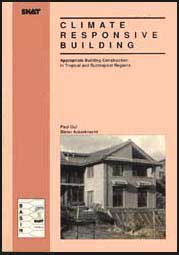
Climate responsive or climate appropriate design/ climate responsive architecture is discussed in a free 1993 ebook by Swiss authors Paul Gut and Dieter Ackerknecht. This book focuses on appropriate building construction in tropical and subtropical regions. This is an important topic because many times people forget to adapt designs to their specific building conditions.
Earth Lodges in the Tropics?
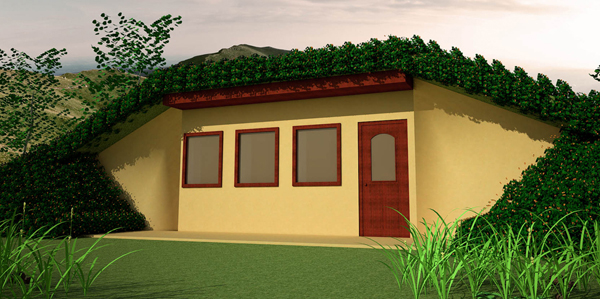
Question from a reader:
“I want to build one of your earthbag Earth Lodges in the tropics. What do you think?”
Best Cold Climate Building System?
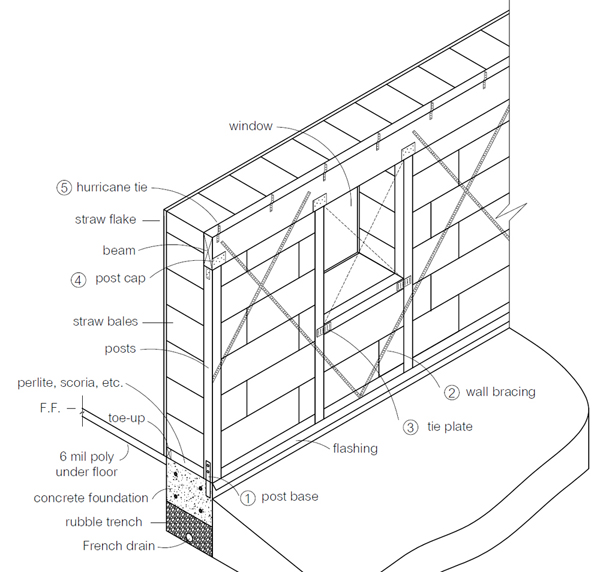
Question: I dream of building a small eco friendly country ‘cabin’. My location will be in Alberta or BC, Canada. Do you prefer earthbag technique now over straw bale? Site will be a cold climate compared to many of your examples. I do have concerns on moisture and rot for essentially an organic material. — Scott
Ark Soaring in the Sky

Kikuma Watanabe is an associate professor at Kochi University of Technology in Japan and is responsible for the overall design of this project. The owner is Kagayaku Inochi (glorious life), a Japanese NPO. This school for orphans is in Sangkhlaburi village, Thailand, located near the borderline between Thailand and Myanmar. In this area there are a lot of poor people who immigrated from Myanmar. This school aims to provide sustainable poverty alleviation in the area.
To provide a good future for the children, they hoped that the school would be designed to realize their dreams. So, at first the teacher asked the children to draw the dream of the school building. One of them drew a flying ship as his dream. They adapted his idea, and tried to translate the drawing into architecture.
Evolution of the Pantry Concept
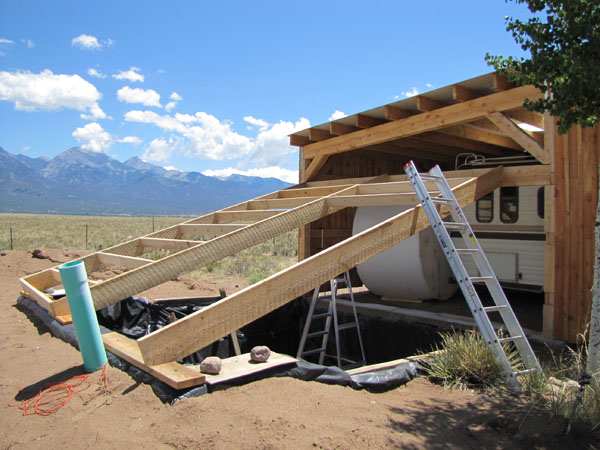
This is what the pantry looks like today. I have finished all of the bag work and am now building the framework for the roof. The large turquoise pipe in the foreground is the inlet air vent that goes all the way down to the bottom of the hole with an elbow through the bag wall. In the distance, next to the motor home, is a 1500 gallon water tank that I got a great deal on. That tank will be dropped into the pantry hole for storage of rain water off the roof of the garage. The vertical walls that will meet the roof of the pantry will be cordwood construction, providing good insulation to keep the panty temperate; the roof will be well insulated as well.