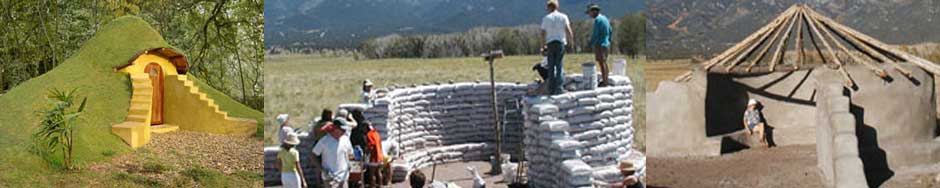
Earthbag Earthship Costa Rica

Here’s another awesome sustainable community under development. “SPICE: WHAT IS IT? A VISION—Creating an intentional community Ø A small, planned community that encourages reduced consumption and materialism and emphasizes our role as caretakers of the natural environment; Ø Respect for individual talents, interests, privacy, and needs, including the need for interaction with others; Ø Use … Read more

Earthbag Shield

What is the Earthbag Home Shield? It is a steel roof system intended to cover and protect an earthbag home. The one aspect of earthbag construction that I struggled with the most was the roof. We here at Cozy Home Plans have come up with a great option to cover your EB home. Benefits of … Read more

Earthbag Projects in Uganda

“I check out materials available, some villages have stone, some make bricks, everybody had dirt. Timber is scarce and termites eat anything made of wood in weeks. If we use bricks they will need half the forests in Karamoja as firewood to bake them. Not very sustainable…everybody has dirt. Dirt? I remember making bunkers in … Read more

Living Aleutian Home Design Competition

Imagine a creative, livable, affordable home. Now imagine it in Alaska. Join us in creating a model for a new era of Living Communities. First place prize of $35,000, and the winning design will be built! The Aleutian Islands are home to some of the world’s longest continuously occupied communities, with evidence of human development … Read more

Permaculture and Natural Building Podcasts

Gardening Like a Forest- A Conversation With Dave Jacke Sustainable World Radio I Love Cob – Beyond Organic Podcast Cob Houses and Natural Building Permaculture Media Blog – Podcast with Paul Stamets, Rob Hopkins and Richard Manning Transition Culture.org RichSoil.com Please leave a comment if you know of other good podcast sites.

Desert Concrete

Here’s the fascinating inside story of how they built Frank Loyd Wright’s famed School of Architecture at Taliesin West. Desert concrete or dry-pack is more sustainable than typical concrete because it uses free local sand and stone, no gravel and very little water. Large stones reduce use of cement. “There was a query on the … Read more