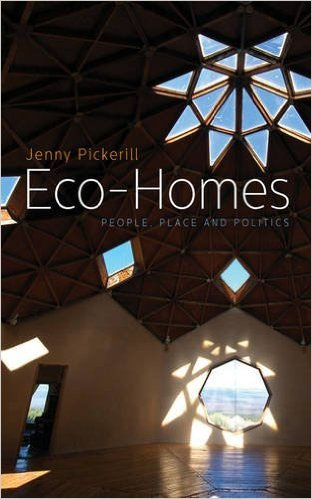
Eco-Homes: People, Place and Politics

Jenny Pickerill is a professor of environmental geography at the University of Sheffield, and I met her when she was conducting research for this book, gallivanting around the world on a Winston Churchill Memorial Trust Travel Fellowship. She interviewed me and we toured a variety of novel eco-homes near Crestone, Colorado, where I was living at the time. In addition to Crestone, she visited ecological enclaves in Britain, Spain, Thailand, Argentina and other locations in the United States.
ecohomes

Her purpose in assembling this academic study into ecological living was to focus more on the social, geographical and political issues around eco-housing, which are often ignored, in the hopes that a broader acceptance of sustainable architecture will evolve. I found her analysis enlightening and well worth the read, if a bit academic in its outlook. Each chapter of the book is devoted to a different filter, which in total provides a good understanding of the issues involved.

The first chapter focuses on the eco aspects of eco-homes, and why this is important.  She observes that “eco-houses are being built to deal with the issues of waste through structural innovations by altering size, harnessing renewable technologies, retrofitting existing housing stock and changing occupants’ behavior and practices. Each approach has benefits, limitations and financial costs.” She goes on to chastise government and industry for emphasizing the technical fixes while ignoring simpler solutions.

Next, Jenny delves into the home aspect explaining how hard it is to define what home really is. Home can generally refer to country, state, city, bioregion, neighborhood, as well as a specific house. We have an emotional attachment to our homes that must be recognized in order to make eco-houses appealing to a wider audience. The emotional component is affected by aesthetics, location, style, privacy, comfort, and worth.
Read more

Need Your Help to Stop Tiny Houses from being Illegal!


I’m reposting the following announcement from Tiny House Talk. This is serious folks. Proposed HUD regulations could shut down the tiny house movement. The video is from a different source. See link below. Input from Tiny House professionals is especially welcome.

“This is a quick announcement because we need your help to stop tiny houses from becoming illegal per the fed’s new HUD proposal regarding recreational vehicles.

Read more

Tiny House Owner Brett Sutherland in NZ Faces Eviction

We featured Brett Sutherland’s outstanding tiny house in yesterday’s blog post. Now it seems his beautiful, handcrafted tiny home on a pristine beach near Auckland, New Zealand is in breach of building codes. The problem? The Auckland council claims the land exceeds the housing density limit. But there are 7 acres and obviously plenty of space for his tiny house, with nary a neighbor in sight. Ah, the Council mucks things up once again for those who try to live sustainably.

Read more

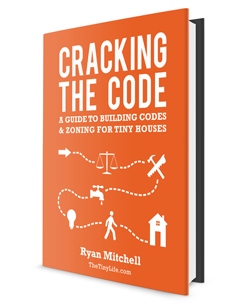
Cracking The Code: Tiny Houses And Building Codes

Cracking The Code: Tiny Houses And Building Codes by Ryan Mitchell

“So many of you have heard about my ebook that I have been working on, I have been putting it together over the past few months and it is finally here! You can check it out here. http://thetinylife.com/store/ (He has house plans and other books as well.)

Read more

Area in Wisconsin with Few or No Codes

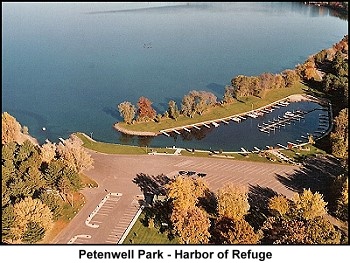
Lake Pentenwell is the second largest freshwater inland lake in Wisconsin.

The following comment left by a reader got me thinking about publishing a few blog posts about areas in the US with few or no building codes that allow do-it-yourself alternative building with earthbags, straw bales and local wood, and homesteading. As we’ve said many times here, building in areas with codes can skyrocket the construction costs ten-fold, which essentially wipes out the savings of using alternative materials. That probably explains why our blog page Counties with Few or No Building Codes has always been our most popular page.

Read more