Earthbag Evolution Video
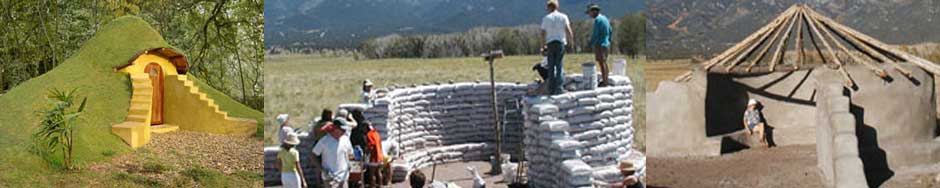
This entertaining video by Sierra of British Columbia provides an introduction to the materials and uses of earthbag building.
This week is the 3rd anniversary of Earthbag Building Blog. A lot has happened this past year, and our blog continues to grow in content and readership. There are now 335 posts and well over 1,000 comments. Thanks for your support. We love hearing about your earthbag projects and hope you will continue sharing information … Read more
A new article by Arvid Linde in Green Home Design compares typical earth-sheltered homes with structures made of earthbags. Linde raises a number of interesting points. I agree with his assessment that most earth-sheltered designs contain a lot of high embodied energy materials, notably concrete and steel, and therefore are not as ‘green’ as they … Read more
I came across this great article at Mother Earth News magazine and just had to share it. Merle Alix describes his family’s experiences of living in an underground house for the last decade. They love the energy savings, low maintenance, quietness and privacy. The biggest downside is the difficulty of obtaining financing for underground houses. … Read more
A reader asked if perlite is a good choice for building earthbag roundhouses. Perlite should work if you make some adaptations. It has excellent R-value and so, in my opinion, is well worth a little extra effort. In fact, it’s a top choice because of its R-value of 2.7 per inch. So 15″ would give … Read more
There’s growing interest in lightweight bag fill materials as alternatives to more labor intensive soil-filled earthbags. While lightweight materials such as scoria, perlite, etc. are not as stable as tamped earth, their higher insulation value and labor saving advantages offer tantalizing possibilities for certain designs, locales and site conditions. We’re currently investigating vetiver grass as … Read more