New FAQ’s at Earthbagbuilding.com

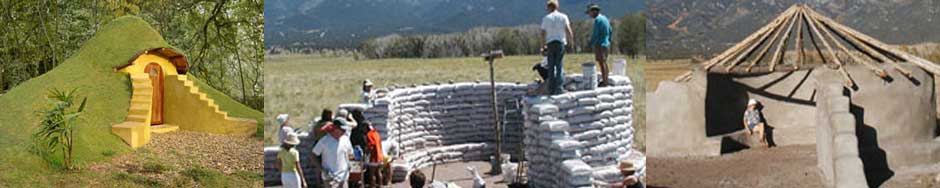
The Frequently Asked Questions section of www.earthbagbuilding.com has been accumulating pertinent questions and answers for over a decade. These had been categorized into only about a half dozen pages, which had become overly long and cumbersome for finding specific information.  I finally decided to organize them in such a way that it is now much … Read more
Eppivent Waterless Non-electric Toilet

“Dr. Jerry Dean Epps says the Eppivent is a waterless toilet that requires no electricity and has no bad smells. No working with waste required like with compost toilets. Internal flush moves contents out of sight. Waste is digested in main tank, moves through the bio-filter tank and the small amount of liquid discharged is safe for the environment but we send it to an underground evaporation/transpiration bed anyway. It is a stand alone and completely deals with waste on site.”

Read more

Cobblestone Architecture

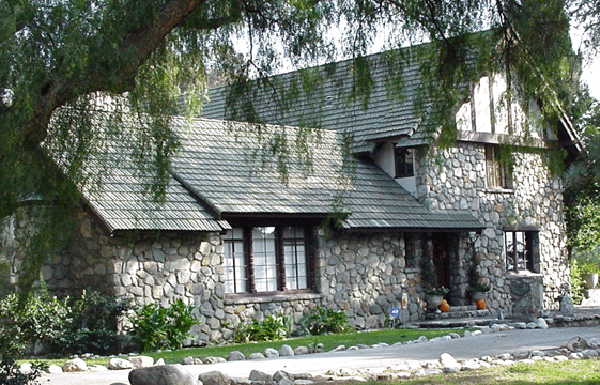
Beautiful cobblestone home

“Cobblestone architecture refers to the use of cobblestones embedded in mortar as method for erecting walls on houses and commercial buildings. Cobblestone architecture was developed in the northeastern United States, especially antebellum western New York state. Masons that built the Erie Canal during 1817-1825 started building cobblestone structures about the time the canal was finished.

Read more

Living in Ghost Towns

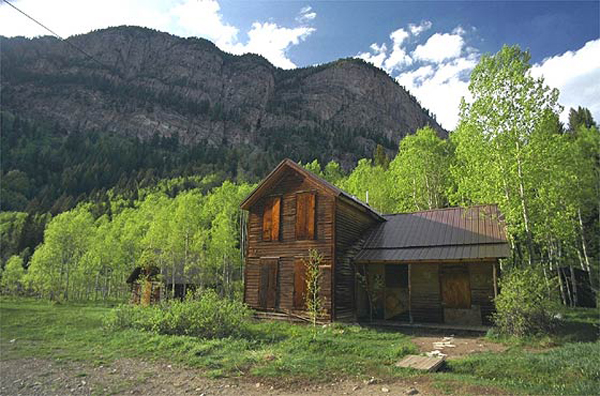
Chrystal, Colorado: The 1893 silver crash nearly emptied the town, and by 1915 only eight people lived there.

A recent blog post about a rebuilt ghost town in Spain turned out to be quite popular. This got me thinking about the practicality of living in ghost towns. If you don’t mind fresh air, no traffic jams, lack of noise and nosey neighbors then you might like it just fine.

Read more

Ancient Food Forests

Food forests are the most productive agriculture system in the world. They have the lowest labor and highest yield. Food forests produce more food, medicinal plants, fiber, building materials, fodder, spices, herbs, flowers and other beneficial plants per square meter than any other farming method. Imagine how much work goes into tilling, planting, spraying and weeding row crops such as corn every year. In stark contrast, food forests are virtually self-sustaining once established. They’re also less vulnerable to pests and swings in weather.

Read more