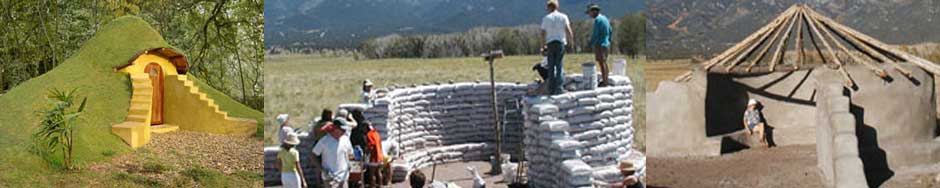
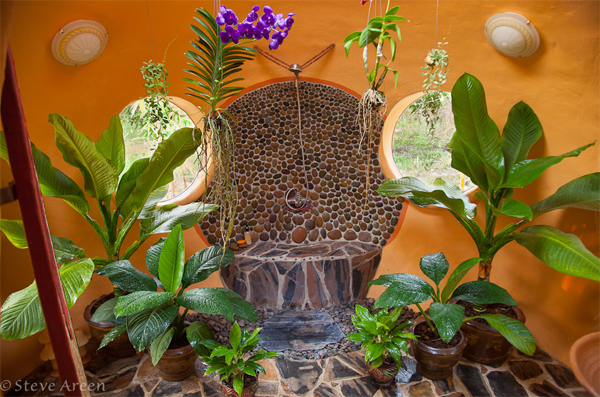
The blog post the other day about Steve’s Dome in Thailand has caused quite a stir. Read the Comments there to get the background story. Here’s a follow-up report about what’s been happening since. The images of Steve’s home are spreading across the net very fast…borderline viral. This confirms my initial opinion that this home is worth taking a closer look at because it is so exceptional. (See his photo galleries here and here. However, I’m taking some flak for my decision to publish a home built with concrete (reader requested, by the way). This was the first and only time I’ve done this, but in this case I felt the home was exceptional enough and had many interesting features that could be used in houses made of sustainable materials. In other words, we can learn from studying homes built with all types of materials. This was all clearly explained in the original blog post.
Building Styles
The Oldest Known Strawbale House in Europe
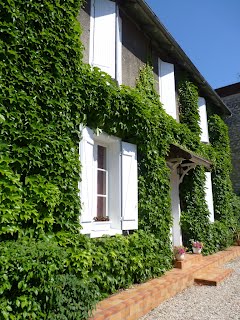
The ”Maison Feuillette” was built in 1921 by Feuillette, an engineer who was looking for solutions to construction problems. It has been for sale for one year. The house (still inhabited and perfectly preserved) is acknowledged globally as a unique, innovative and exemplary building. It features a timber frame structure with straw bale infill, modular construction, and the use of local materials.
New FAQ’s at Earthbagbuilding.com
The Frequently Asked Questions section of www.earthbagbuilding.com has been accumulating pertinent questions and answers for over a decade. These had been categorized into only about a half dozen pages, which had become overly long and cumbersome for finding specific information. I finally decided to organize them in such a way that it is now much … Read more
Nice Thatch Roof Pics
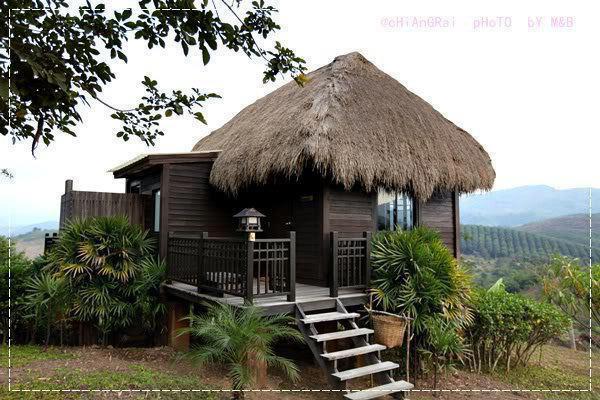
Three beautiful thatched roof houses just for fun.
Free Open Source Strawbale House Design
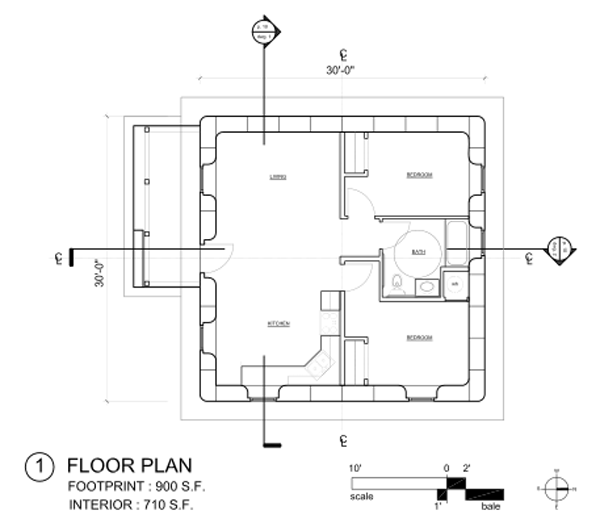
Here’s another great project from Open Source Ecology.
“This simple home design grew out of a desire to share a easy-to-construct straw bale prototype for humanitarian applications. The barrier-free floor plan, comprised of a concentrated wet core within an insulating straw bale envelope, allows for an efficient layout within a small footprint. This system can scale up or down, orient to solar and wind patterns for passive heating and cooling, and be partitioned flexibly in order to adapt to changing inhabitant needs.
Shinto Shrine to Remember Forgotten City
Japanese architect Kikuma Watanabe sent me some pictures and a description of one of his latest earthbag projects described below.
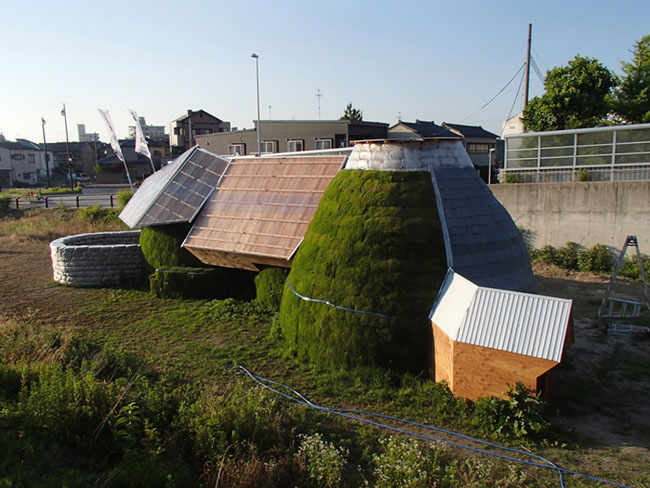 This is a Shinto Shrine for remembering our origin. It was designed for the “Water and Land Art Festival” held in Niigata City.