Renovate… Don’t Speculate

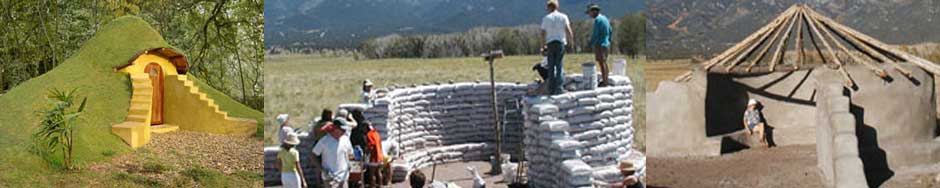
Speculative real estate practices and the harm they cause affect everyone. The threat of demolition looms over nearly every building, fueled by financial speculation that promotes demolition and new construction. This leads to a scarcity of affordable homes, job losses, and environmental damage. Therefore, we urgently need a socio-ecological transformation of contemporary building practices that … Read more

Two Ecological Homes in Australia

Stuart Absalom and Philip Mawer’s home in Australia has wonderful views in every direction. The living area faces north, while the two bedrooms and bathrooms face south. The house follows the principles of passive solar in that region, including its northerly aspect, thermal mass through masonry walls, and windows thoughtfully placed for ventilation and cooling. … Read more

CobBauge House in the UK is Code Compliant

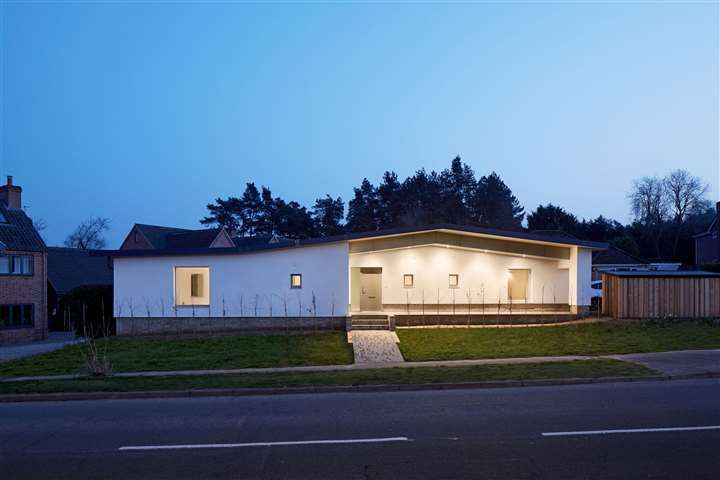
CobBauge House in the UK, designed by Hudson Architects, is the first code-compliant form of cob building, making an ancient building technique fit 21st century requirements. It combines hemp and mud in a unique way. Traditional cob walls would have to be more than one meter thick in order to comply with contemporary building regulations. … Read more

A Novel Circular Toilet in Japan

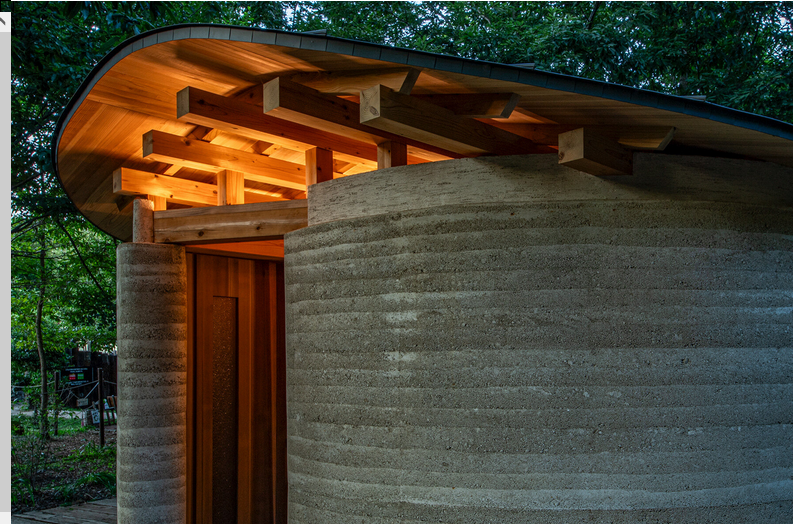
Tono Mirai Architects of Japan completed Tioletowa in Miyoshi City as an example of recycled, regenerative architecture. The main idea behind the toilet project is the circle of life: ‘Everything comes from the earth and eventually returns to it.’ The rammed-earth building embodies this philosophy through its use of recycled materials and its wastewater treatment … Read more

Providing Affordable and Ecological Housing in Nigeria

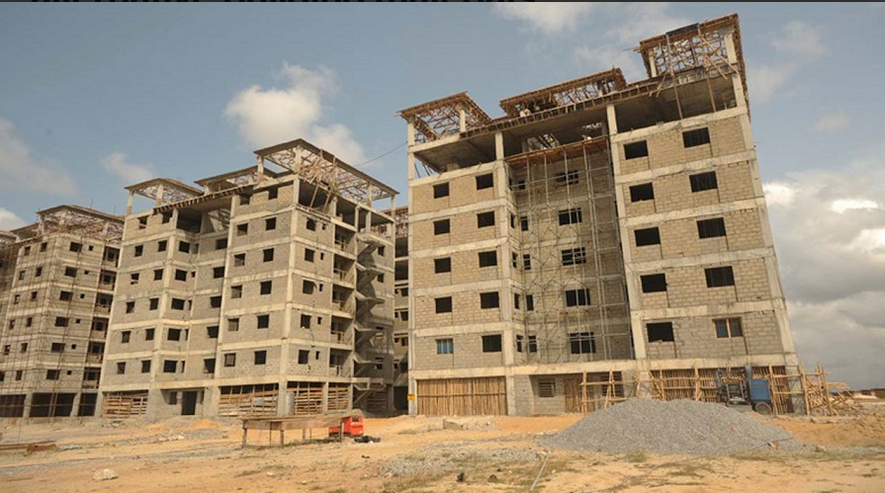
Nigeria’s housing deficit currently stands at about 28 million units and it will take an investment of about $47 billion over 20 years to meet the country’s housing demand. Currently Nigeria imports 90% of the materials used in construction across the country. This fact, along with the foreign currency crisis in the country, makes housing … Read more

Building Affordable and Green Housing

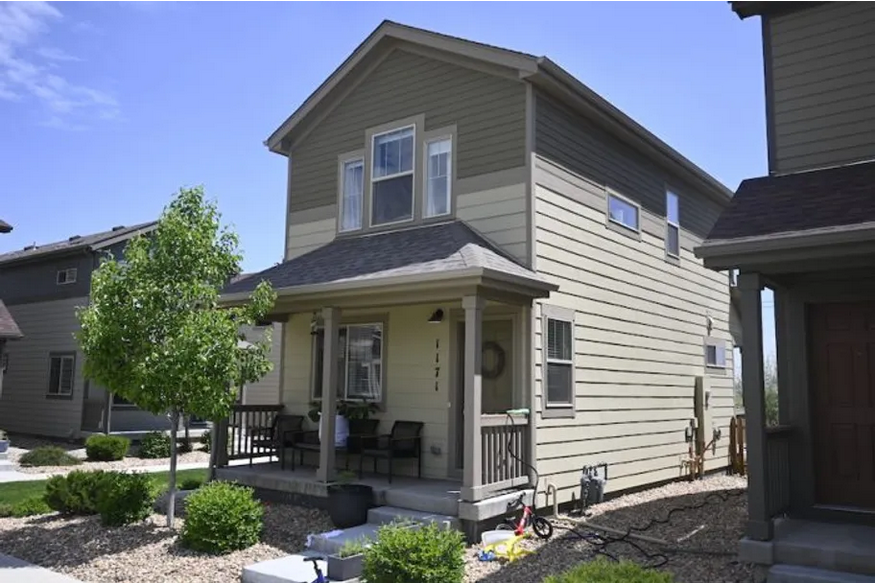
The first step to cutting construction costs is “affordability by design,” which means ensuring the basic blueprint of a building is optimized to minimize costs from the outset. Biologist Carl Bergmann noticed that larger animals tended to live in colder climates, where their size helps them retain heat more efficiently. This observation suggests that larger … Read more