Three Homes that Use Thermal Mass in the Desert Southwest

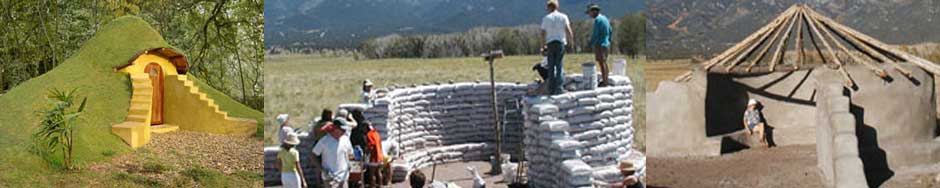
Thermal mass is the ability of a material to absorb, store, and release heat. It can be used to moderate building temperatures by reducing fluctuations. Materials with relatively high thermal mass, such as stone, rammed earth, and brick, can absorb significant heat during the day and release it slowly when temperatures drop at night, reducing … Read more
Ten Homes Using Straw From Around the World

Straw has a long history as a building material, finding application in thatch roofs, as a binding agent in adobe bricks and cob, as insulation, and in straw bale construction. Straw, a renewable, recyclable, regionally available, and low-cost material, offers a climate-friendly alternative to conventional building materials. Indeed, straw provides a viable solution to decarbonizing … Read more

Building with Hempcrete on Maui, Hawaii

The second home on Maui, Hawaii using hempcrete for wall construction has been completed. Hempcrete is not only fire, mold and termite resistant, it’s also non-toxic, sound insulating, energy efficient, and absorbs carbon dioxide from the air. The owner, Jon Woodhouse, says, “Walking into my home, you can feel the difference compared to conventional home … Read more

10 Sustainable Construction Materials

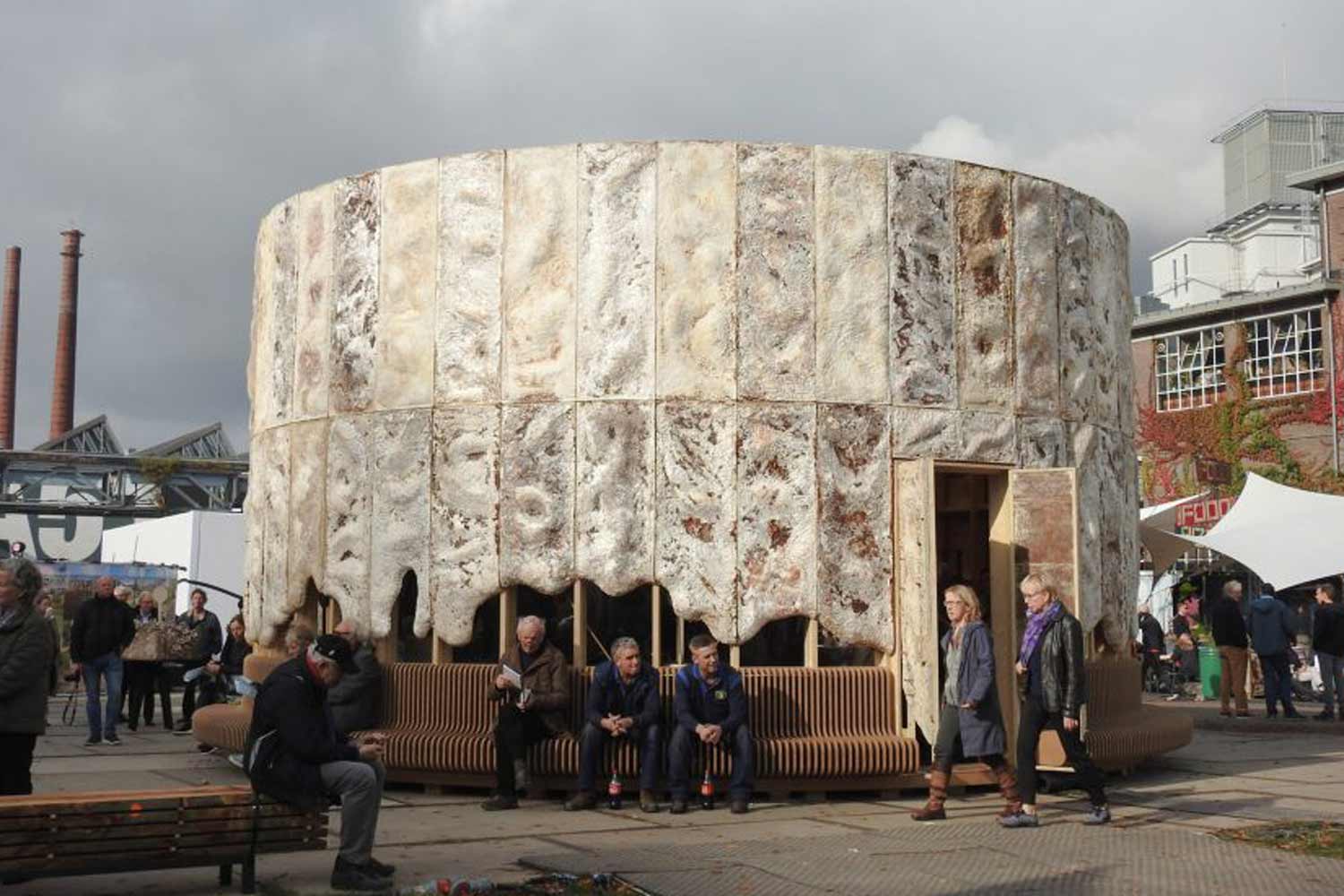
parametric-architecture.com has made a list of 10 sustainable building materials shown below. Due to its quick growth and low environmental impact, bamboo has become quite popular. It is incredibly flexible, adaptable, and resilient, and it may be employed in construction for both structural integrity and beautiful aesthetics. Straw bales are a material that is both renewable … Read more

Cross Cabin Prioritizes Plant-Based Products

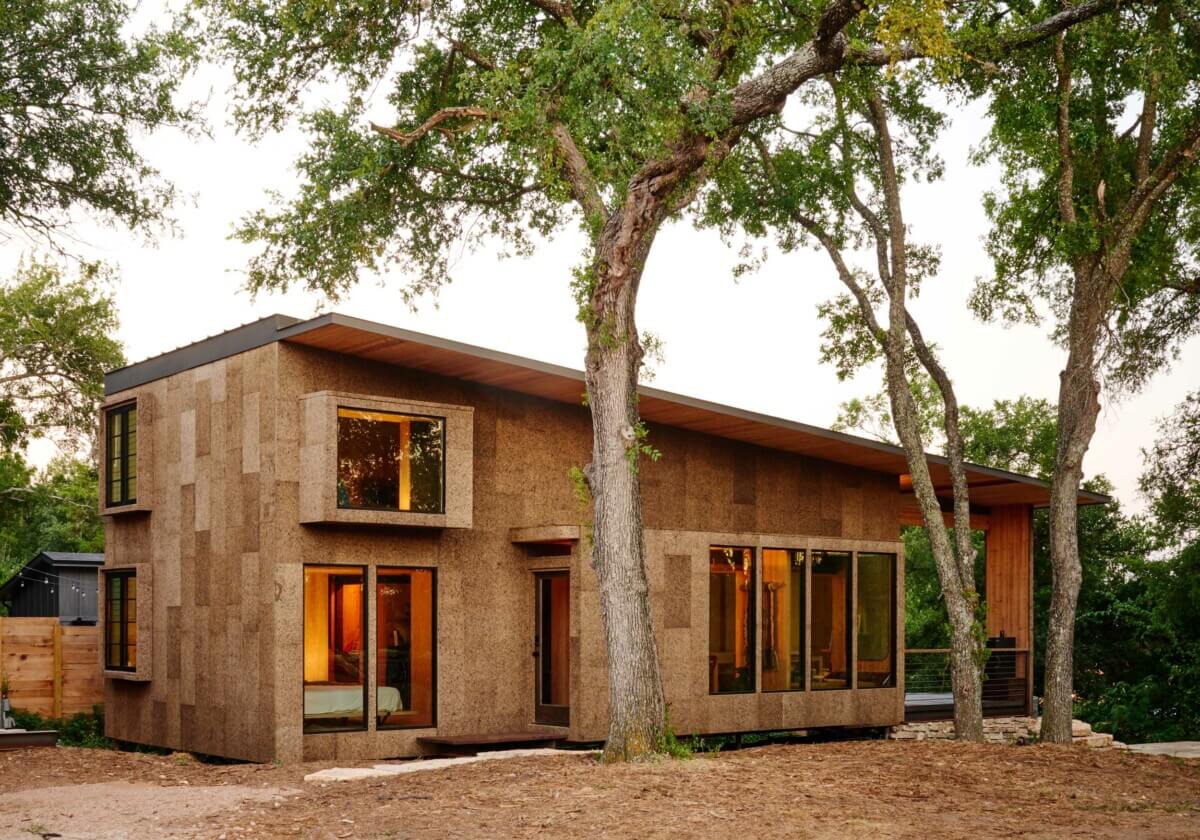
Greg Esparza designed Cross Cabin for his young family in Austin, Texas. It prioritizes plant-based products, from its cork-clad, cross-laminated timber enclosure and interior walls to the use of laminated paper as a hard surface material for showers and countertops. The project pushes the environmental paradigm that architectural value can arise from how a building … Read more

What Are “Passive Houses?”

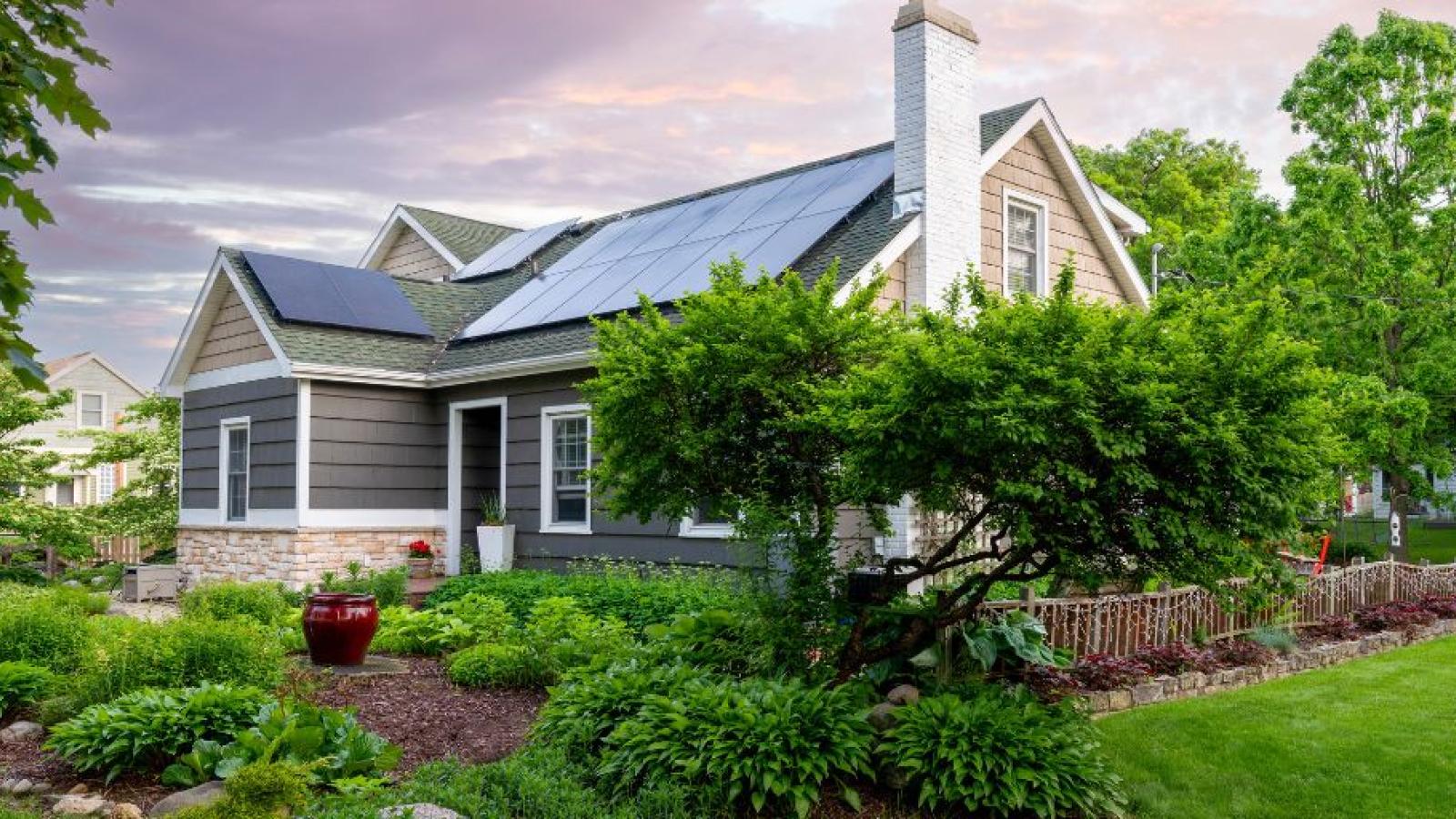
In 1988, two physics professors, Bo Adamson and Wolfgang Feist began discussing the scientific components that might lead to better energy efficiency in building construction. They read the research, dating back to the 1970s, that suggested it was possible to construct a low-energy building that was designed to exploit passive solar technologies and establish a … Read more