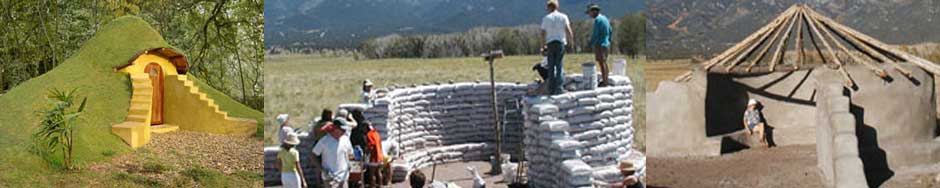
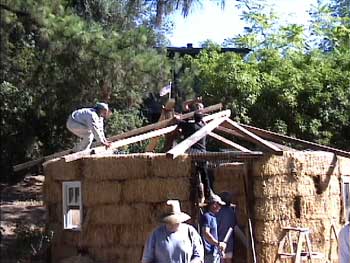
A kindred spirit sent me a memorable letter about 10 years ago. They had read about the strawbale roundhouse I helped build with the Lakota Sioux in South Dakota. (I recently found out the roundhouse later got destroyed in a flood.)
Structural aspects
New FAQ’s at Earthbagbuilding.com
The Frequently Asked Questions section of www.earthbagbuilding.com has been accumulating pertinent questions and answers for over a decade. These had been categorized into only about a half dozen pages, which had become overly long and cumbersome for finding specific information. I finally decided to organize them in such a way that it is now much … Read more
Slipform Stone Masonry
One could argue with the “fast and easy” description of slipform stone masonry at the beginning of the video. He’s probably saying it’s faster than traditional masonry, which is true. Actually, most natural building methods, including stone construction, are quite labor intensive. The payoff though is a house that’s fire and rot resistant, super durable and super beautiful. Note the centuries-old stone houses in recent blog posts. One option is to use stone on the foundation and other faster and easier to use materials for the rest of the wall.
Vertical Versus Horizontal CEB Presses
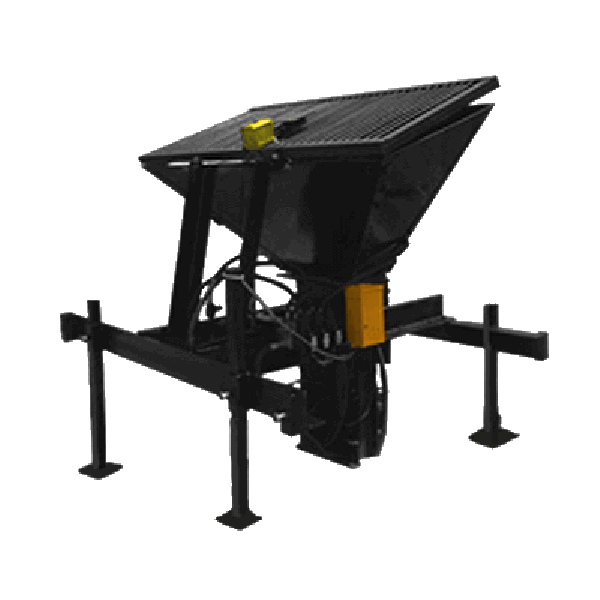
“Vertical Block Press Pros
– Uniform block dimensions in wall sizes
– Simple adaptive mold changes
– Able to produce interlocking block
– Fewer block imperfections
– Produce quality block
– Produce uniformly dense block
Technical CEB Information
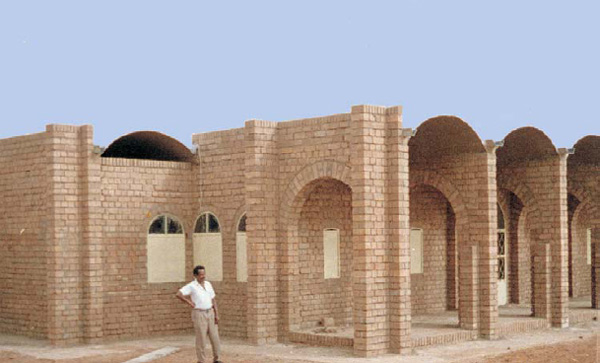
I’ve put together a brief list of compressed earth block (CEB) technical documents.
Compressed Earth Block Wall Build
Yet another way to build with CEBs. This looks like one of the most efficient.