How Can Microalgae Contribute to Sustainable Architecture?

Microalgae‑based architecture is gaining attention as a sustainable design solution for a variety of uses, and the concept could soon become a reality in Western Australia. Amin Mirabbasi, a PhD student at Murdoch University’s Algae Innovation Hub in Australia, has spent three years designing microalgae filled photobioreactors, which can be incorporated into a variety of … Read more

Super Wood Stronger than Steel

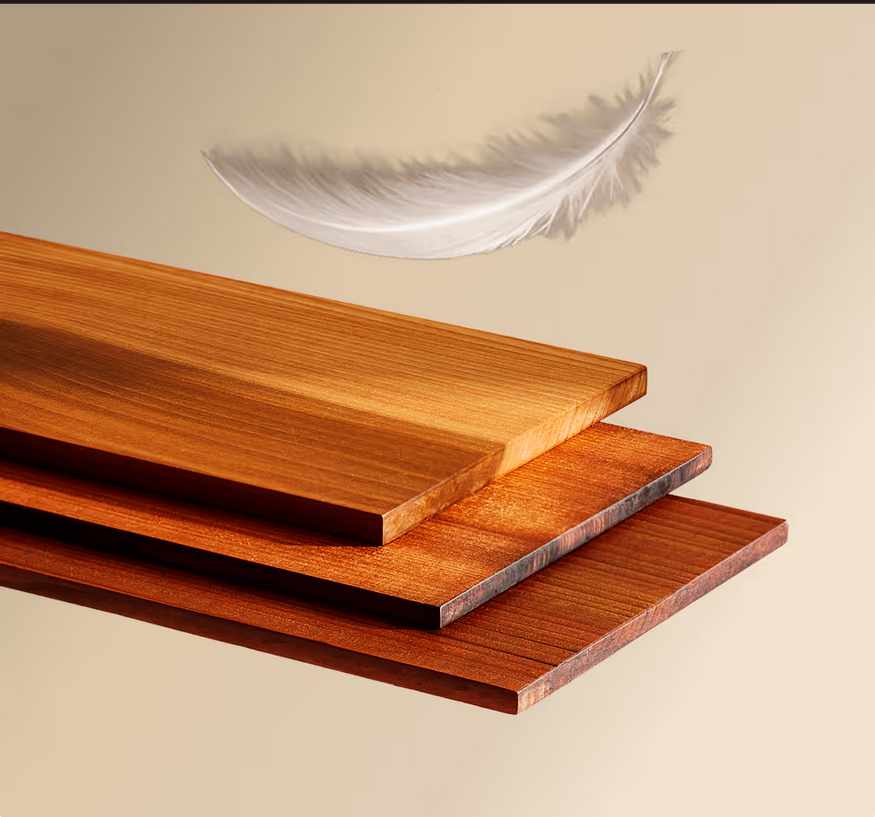
Scientists at the University of Maryland have turned ordinary wood into a material that rivals steel in strength and weighs far less—and it’s already heading to market. What emerged is now called Superwood, a material created by altering natural wood’s internal structure to boost its strength, reduce weight, and improve resilience. The process, developed and tested … Read more

Japanese 3D Home Printed with Earthen Materials

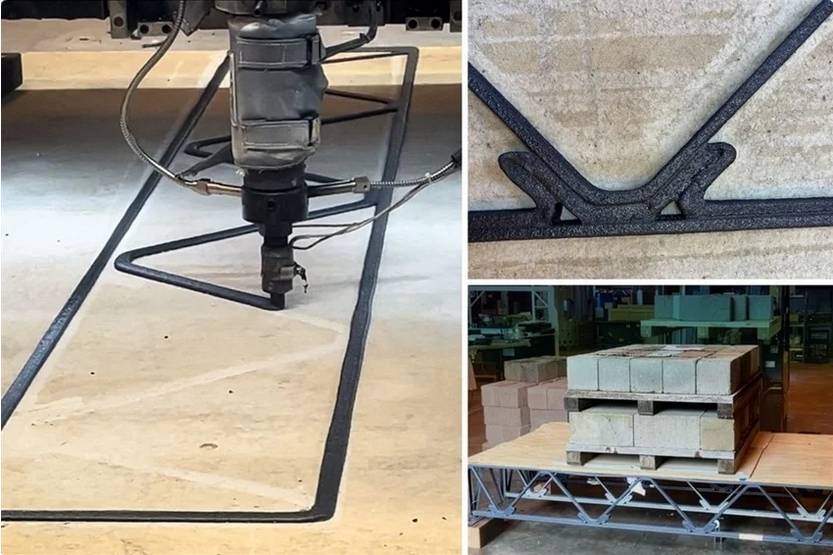
The Japanese company Lib Work is using earthen materials to 3D print homes. House Model B is a 1,076-square-foot, single-story residence built mainly from earth, lime, and natural fibers. Lib Work says improvements to the overall manufacturing process have lowered its carbon emissions and the building itself is about five times stronger than their previous design … Read more

Recycled Glass Found to Strengthen Compressed Earth Blocks

Scientists have found that recycled glass and lime can strengthen compressed earth blocks. This could be a sustainable alternative to cement for eco-friendly, durable construction materials. Compressed earth blocks are produced by mixing soil with water and compacting the material under high pressure. Cement is commonly added to improve the blocks’ mechanical properties, but its production … Read more

Can Urine be Used to Make Eco-Friendly Bio-concrete?

Scientists in Germany have successfully turned urine into bio-concrete, as part of a project aiming to revolutionize sustainable construction by creating building materials from waste. The Institute for Lightweight Structures and Conceptual Design at the University of Stuttgart, utilized microbial biomineralization, a biotechnological process where bacteria convert urea found in urine into calcium carbonate crystals. … Read more

Natural Building Engineer, Anthony Dente, Talks About His Work

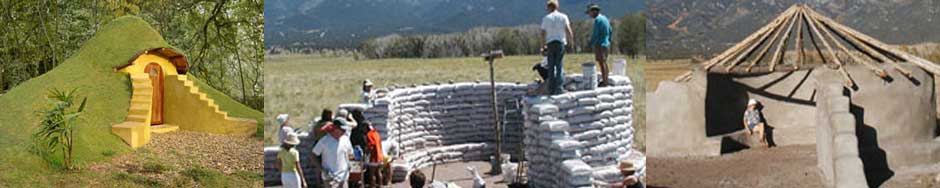
Anthony Dente is a licensed engineer and principal at Verdant Structural Engineers and Verdant Building Products and is the vice president of the Cob Research Institute, where he is committed to appropriate material use for all structural building systems. Anthony graduated from the Architectural Engineering program at Penn State University and moved to Berkeley, CA … Read more