Edible Neighborhood in the Netherlands

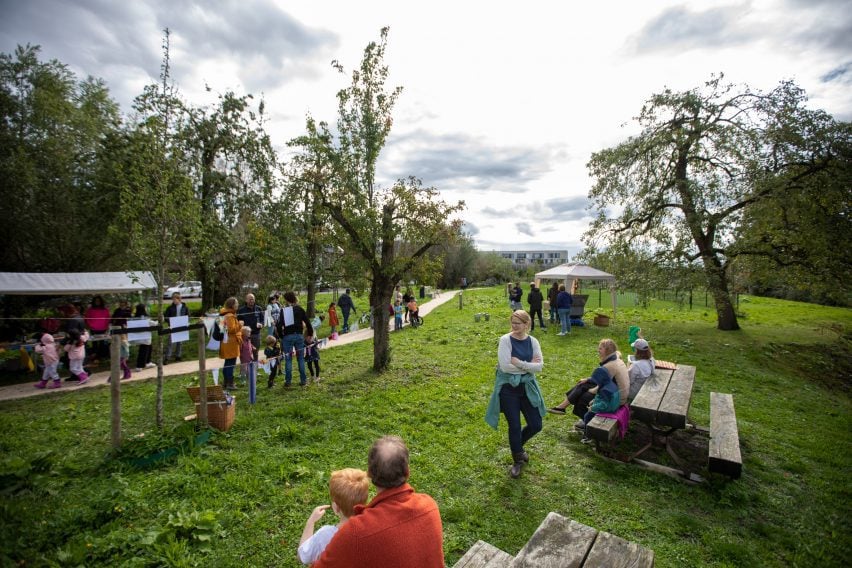
The Rijnvliet housing development in the Netherlands has around 1,000 fruit trees and 220 species of edible flora. The development has 1,000 homes surrounded by parks, rivers and forestry with the aim of including as much food producing plants as possible. “The idea of an edible neighborhood originated from the residents themselves”, says the landscape … Read more
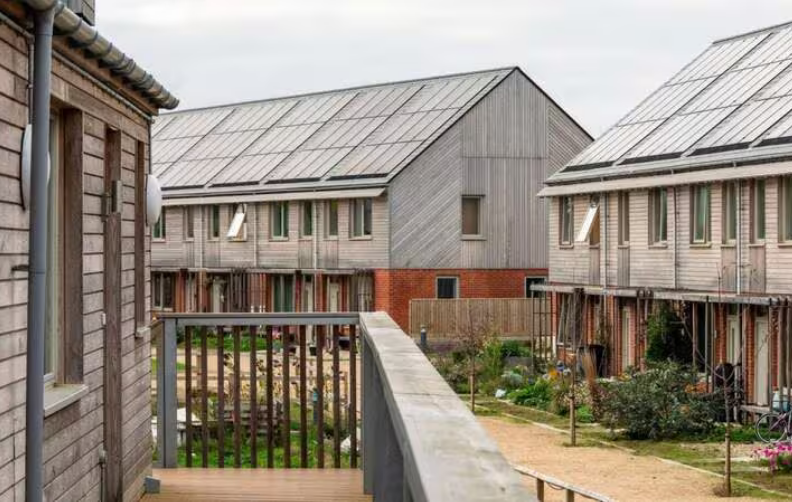

Ecological Co-Housing in the UK

Hazelmead is the UK’s largest completed cohousing development, designed by Barefoot Architects for Bridport Cohousing. There are 53 affordable, net-zero carbon homes—mixing flats and terraced houses—along car-free streets, shared vegetable gardens, and a community microgrid with solar panels and battery storage. Built to rigorous sustainability standards, the timber-framed buildings have passive solar orientation, high insulation, … Read more

Finding Peace and Meaning Through Farming in India

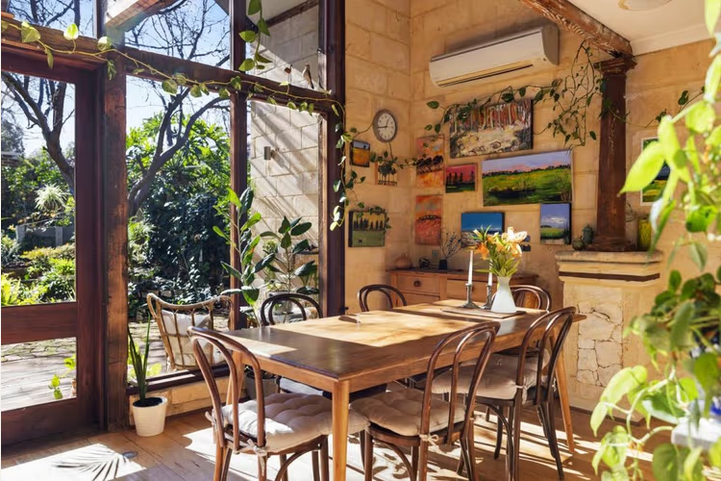
Tired of city life, Neil and Momo moved from Mumbai to a rural area in India. On abandoned land, they began again — growing food, building a zero-waste farm, and learning to live simply. Today, their journey inspires others to slow down, reconnect with nature, and find joy in doing things differently. Neil’s path to … Read more

A Fruitful Legacy in New Zealand

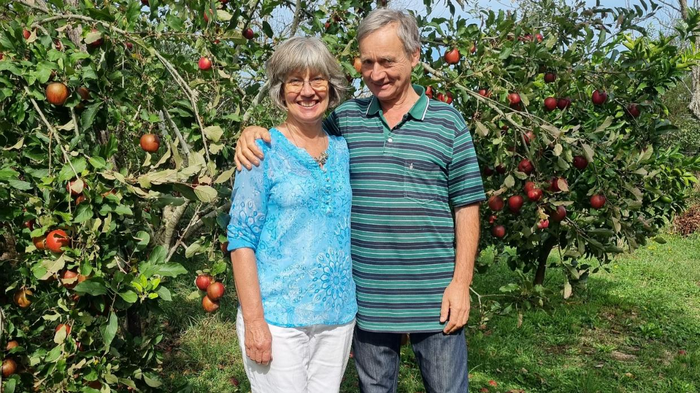
What Clare and Tony began in New Zealand nearly three decades ago with a property scattered with timber trees is now a vibrant food forest, home to more than 200 fruiting plant varieties, many of them rare or unusual. There are 27 varieties of apples, grapes, avocados, bananas, pineapples, Sichuan pepper, berries, nut trees, passionfruit, … Read more

Remodeling a Farmhouse-Style Home in Belgium

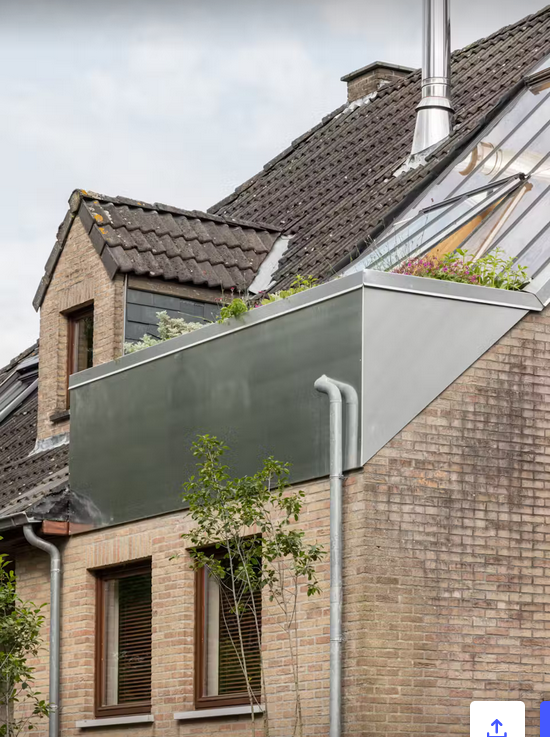
Marc and Ann bought a  farmhouse-style home in Belgium in the 1990s. Later they decided to renovate it in a sustainable way. The house and its location hold strong emotional value for the couple, as they hope to grow old there. This type of home dominates the local landscape and fails to meet today’s energy … Read more