French Environmental Regulations Value Natural Materials

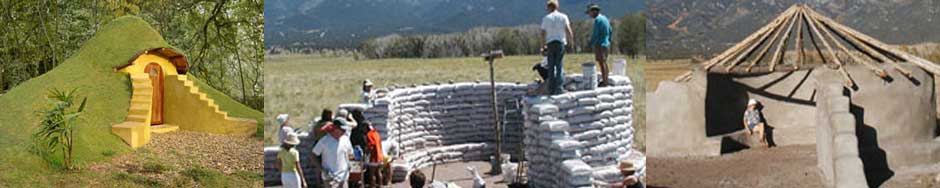
The new French environmental regulations position natural materials as a priority for a sustainable future in construction, in both housing and public buildings. Wood, straw, hemp, reed or bamboo, in combination with earth or stone for their high thermal inertia, offer virtuous alternatives to the use of cement. Straw-bale construction was developed in the 1880s … Read more

Modern Indian Rammed Earth Home

This 3,000-square-foot home in Vadodara, India, with three bedrooms and a pool, was built for a couple with two sons. They wanted an eco-friendly, well-ventilated home with plenty of natural light and an aesthetic blending with nature. “The layout is a simple one, divided in two blocks — one with all the living areas and … Read more

New and Old Sustainable Building Materials

The manufacture of concrete, steel, and glass uses vast amounts of raw materials and water and emits copious amounts of greenhouse gases per year. A staggering 8% of total global carbon dioxide emissions come from cement manufacture alone. Moreover, embodied carbon, which is carbon released over the entire life cycle of a building, including end-of-life … Read more

Common Insulation Products

There are various types of insulation products, depending on where you want to position them – roof, walls, floor. Most are available as rolls or boards, which are fitted between wall studs and roof joists. Mineral wool (aka Rockwool) Available in slabs, stone wool is easy to lay vertically or horizontally. It’s denser than fiberglass, … Read more

Pros and Cons of Container Homes

Minimalist housing, like tiny homes, van living, and container homes, has taken off in the past decade, in part due to the skyrocketing costs of home ownership that make traditional houses inaccessible to many people. Part of the appeal of container homes is that they are a chance to recycle old shipping containers, giving them … Read more