ReGrow Willow Combines Willows with Mud
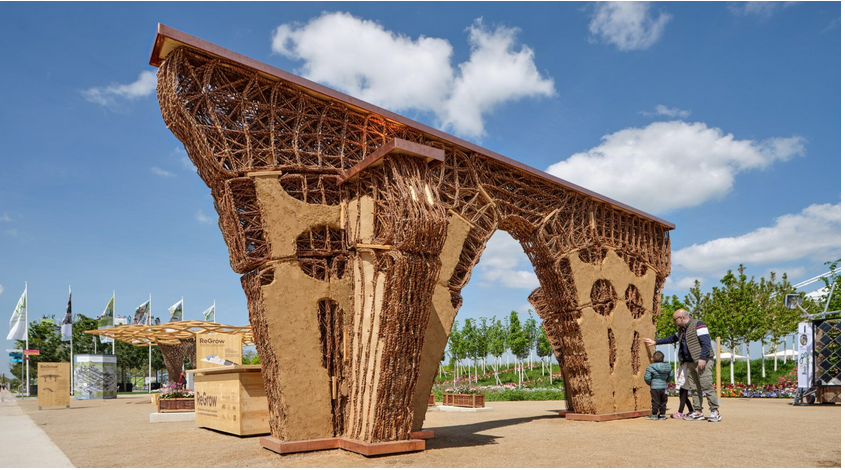
ReGrow Willow is an innovative hybrid material system that combines the tensile strength of willow and the compressive strength of earth for architectural applications. The Karlsruhe Institute of Technology also uses digital fabrication processes and computational tools to create lightweight, mobile, and adaptable fabrication equipment. The project further seeks to present a potential remedy for … Read more

Compressed Stabilized Earth Blocks in Nepal

Kajal Pradhan Banepali, Civil Engineer & Impact Officer at Build up Nepal, explains that compressed stabilized earth bricks has a proven record for its strength and also produces less air pollution than conventional bricks. “More people are starting to seek an alternative to fired bricks, they’re starting to understand the benefits of our eco-bricks for … Read more

An Off-Grid Dream Home in Costa Rica

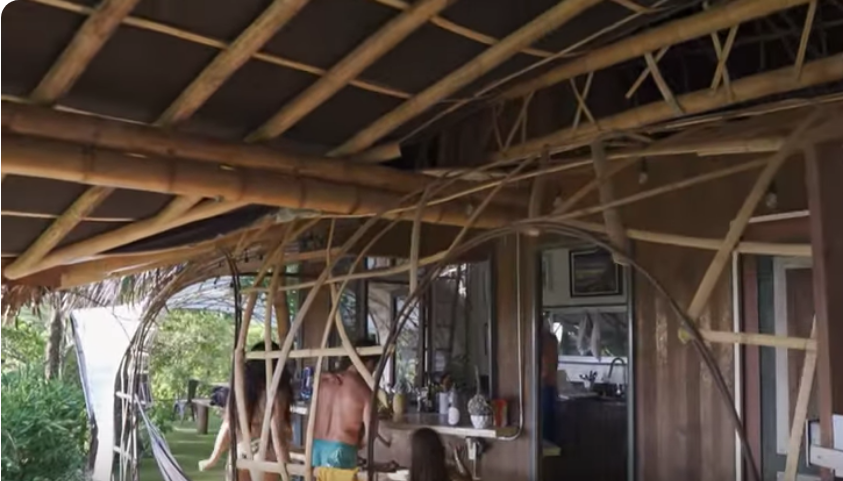
In this is short film an architect decided to move to Costa Rica to build his dream home in the jungle. It is made with shipping containers, bamboo, and other sustainable materials. It runs on solar and hydro power and has beautiful ocean and jungle views. It is like a dream of living in when … Read more

An Earthbag Ecological Home in Jamaica

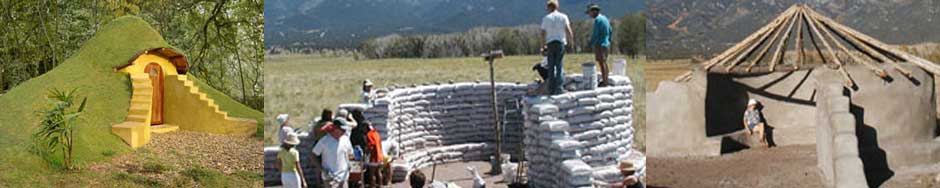
A home made of earthbags in Johns Town, Jamaica, is setting an example for sustainable living. It’s part of a group of largely self-sufficient residences called The Source Farm Foundation and Ecovillage. The home gets 70% of its energy from solar and wind, and the owner says, “People kept coming in our house to see … Read more

A Gorgeous Example of Natural Building in India

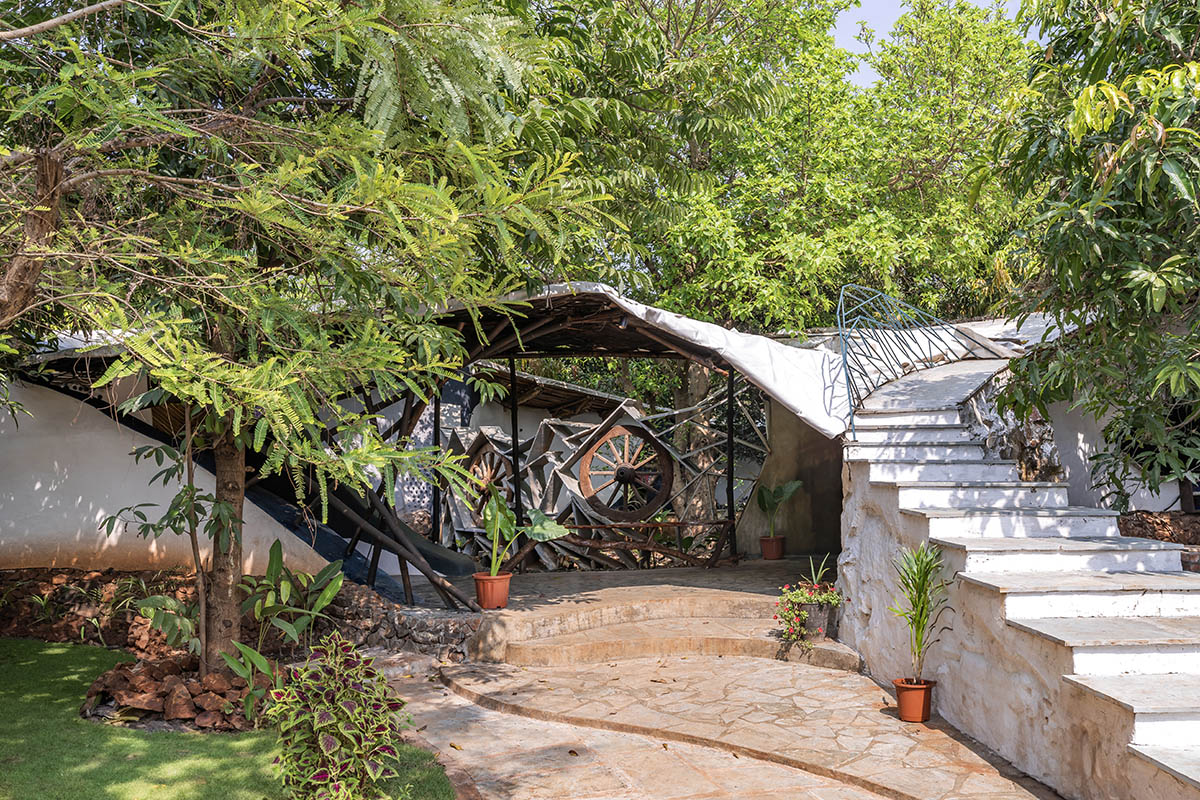
Located near Mumbai, India, this 557 sq. m (6,000 sq. ft.) farmhouse was entirely designed with environmental consciousness by integrating biophilic design, passive climatology principles and construction technology. It consists of a free-flowing living room, kitchen, dining room, three courtyards, glass bottle floor, pond, bedrooms, toilets and pantry. Most of the spaces are shaped according … Read more

“Mycocrete” May Eventually Replace Foam, Timber and Plastic

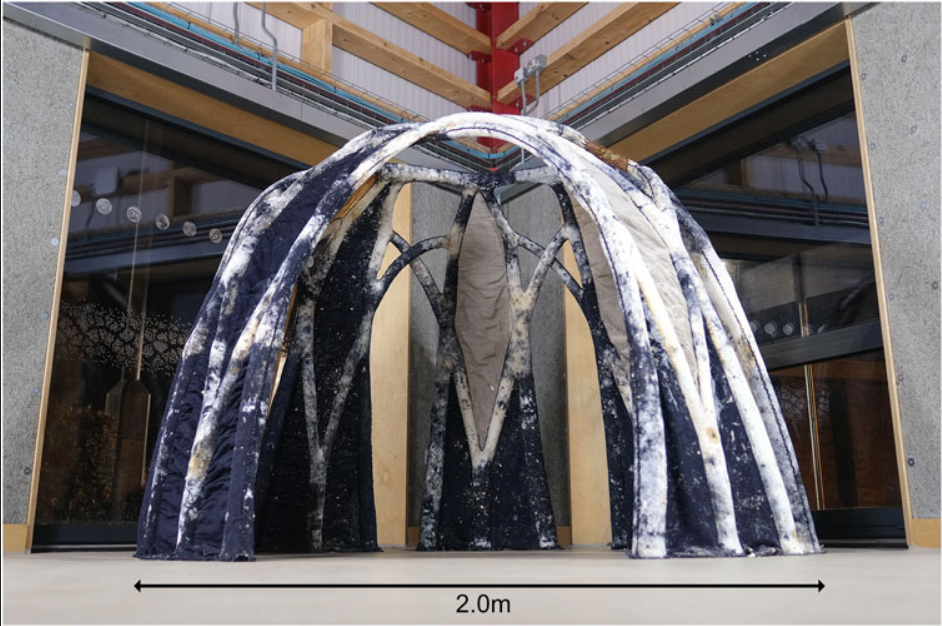
Researchers from Newcastle University have crafted a new bio-based material called “mycocrete”. Using mycelium combined with additional natural materials, the team can grow a tightly wound substrate stronger than previous mycelium materials. The knitted design can create 3D shapes without seams or waste. “Our ambition is to transform the look, feel, and well-being of architectural … Read more