Restoring a Mud Home in Saudi Arabia

The ancient Arabian city of AlUla had been uninhabited since the 1980s, abandoned when a new town center was established nearby. Here, hundreds of mud-brick houses, huddled around a tenth-century fortress. The old town is now being restored as a cultural district. A void, formed from the remnants of two former houses, was known locally … Read more

Introduction & Interest in Apprenticeship / Work Opportunities

I recently got this email: Hello, My name is Kent Robertson, and I’m reaching out to express interest in potential apprenticeship or work opportunities with your operation. I’m drawn to earthen construction and land-based work because I value building skills that are practical, durable, and rooted in stewardship of the land. I’m especially interested in … Read more

How Can Microalgae Contribute to Sustainable Architecture?

Microalgae‑based architecture is gaining attention as a sustainable design solution for a variety of uses, and the concept could soon become a reality in Western Australia. Amin Mirabbasi, a PhD student at Murdoch University’s Algae Innovation Hub in Australia, has spent three years designing microalgae filled photobioreactors, which can be incorporated into a variety of … Read more

A Unique Bridge House in India

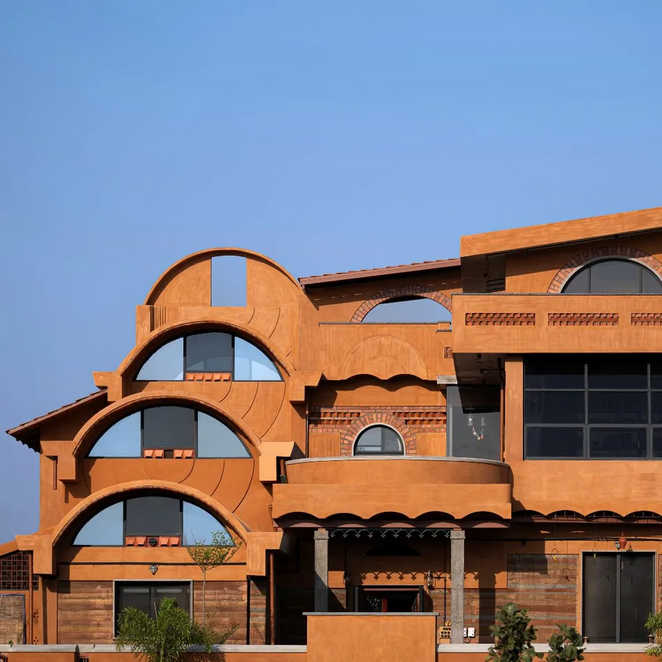
Ashish Shah and his wife, Nipa, always wanted to build a farmhouse in the countryside. The couple and their two daughters lived in Mumbai. Nipa owns a brand that produces and markets organic, farm-sourced food, so they sought to set up a farm within a two-hour drive from Mumbai. Eventually, they came across a two-acre … Read more

The Amazing Potential of Bamboo

Most bamboo species reach full height in three to five years compared to at least a decade for traditional timber, making it incredibly renewable. The fastest-growing bamboo species can grow up to 35 inches, or 91 centimeters, in a day! During its rapid growth phase, bamboo absorbs a lot of carbon dioxide and releases lots … Read more

Pros and Cons of Cob Construction

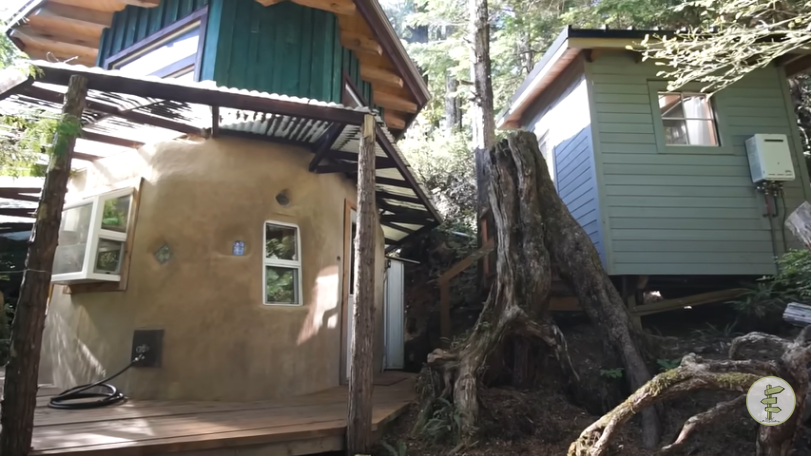
Cob building is a method in which clay, sand, and plant fibers (usually straw) are mixed manually and molded directly in place. Unlike bricks, blocks, or concrete walls, cob doesn’t use forms, doesn’t require molding and allows for the creation of curved walls, niches, arches, built-in benches, round windows, and sculpted details. There are cob … Read more